Introduction
Across the world, people are rethinking the way they eat. For decades, industrial food systems have focused on mass production, convenience, and uniformity. While this approach has increased food availability, it has also led to growing concerns around nutrition, environmental sustainability, and the loss of traditional food knowledge. As a result, many consumers, researchers, and food innovators are turning their attention back to indigenous ingredients—foods that have been cultivated and consumed by local communities for generations. These ingredients are not simply traditional foods. They represent centuries of ecological wisdom, agricultural resilience, and cultural heritage. In many regions of the world, indigenous food systems have sustained communities long before modern agricultural technologies existed. In India’s arid landscapes, for example, ingredients such as ker, sangri, and other desert foods have been an essential part of local diets for centuries. Today, these foods are being rediscovered not only for their nutritional richness but also for their relevance in addressing modern food challenges.

Understanding Indigenous Ingredients
Indigenous ingredients are foods that originate from specific geographic regions and are deeply connected to the ecosystems and communities that cultivate them. Unlike globally standardized crops, indigenous foods are shaped by local climates, soils, and cultural practices. They are often grown using traditional farming methods that prioritize sustainability, biodiversity, and respect for natural resources. In many cases, these ingredients are uniquely adapted to their environments. For example, desert crops have evolved to survive with minimal water, while mountain crops thrive in cooler and harsher terrains. Because of these adaptations, indigenous ingredients often possess remarkable resilience and nutritional diversity.
The Nutritional Strength of Traditional Foods
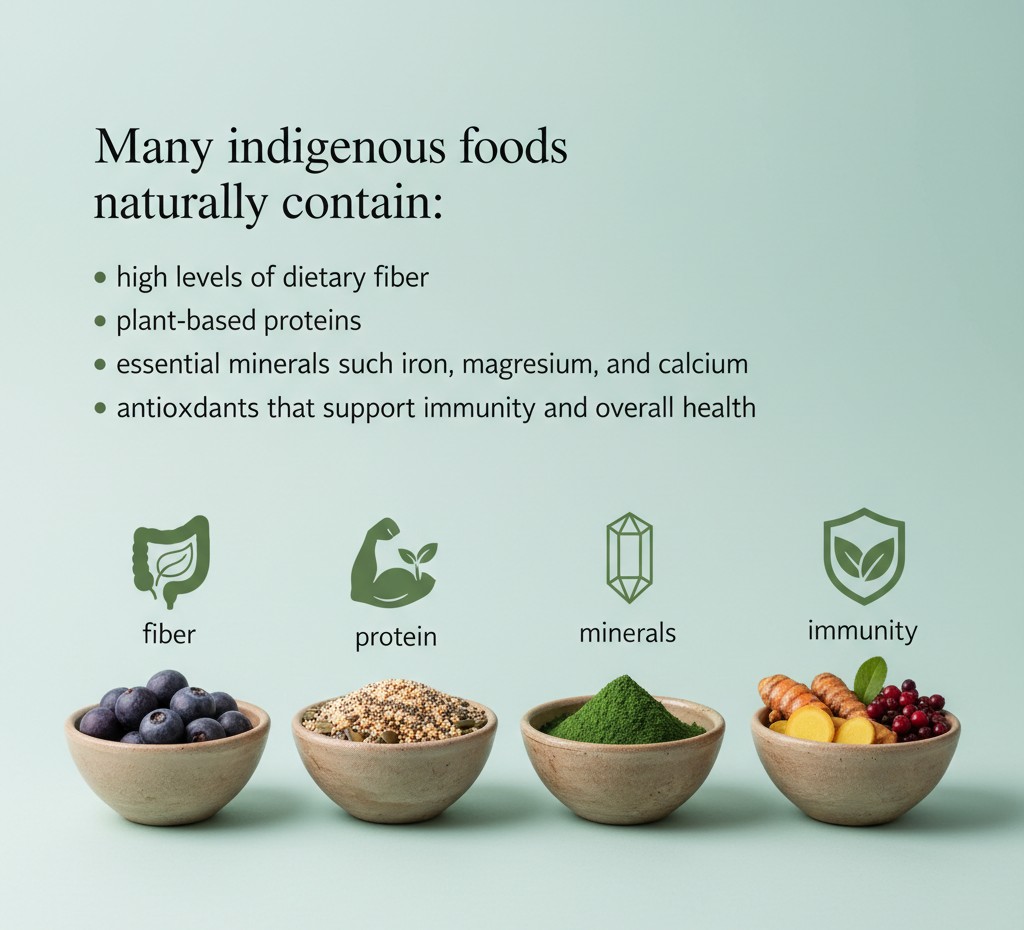
One of the most compelling reasons for the growing interest in indigenous ingredients is their nutritional value. Traditional foods developed over generations through observation and experience. Communities learned which foods provided energy, supported health, and helped them adapt to their environments. Many indigenous foods naturally contain: ● high levels of dietary fiber ● plant-based proteins ● essential minerals such as iron, magnesium, and calcium ● antioxidants that support immunity and overall health Unlike heavily processed foods, these ingredients are typically consumed in more natural forms, allowing them to retain their nutritional integrity. As modern lifestyles increasingly expose people to stress, pollution, and unhealthy dietary patterns, traditional foods offer a valuable pathway toward more balanced nutrition.
Indigenous Foods and Sustainable Agriculture
Beyond nutrition, indigenous ingredients play an important role in sustainable food systems. Modern industrial agriculture often relies on intensive irrigation, chemical fertilizers, and monoculture farming. While this approach increases production, it can also contribute to soil degradation, water scarcity, and loss of biodiversity. In contrast, traditional crops are typically well adapted to their natural environments. Many require fewer external inputs and can thrive under challenging conditions. In arid regions, for instance, desert crops have evolved to withstand extreme heat and limited water availability. Their resilience makes them particularly valuable in the context of climate change, where agricultural systems are facing increasing pressure. Supporting indigenous food systems therefore contributes not only to healthier diets but also to more sustainable farming practices.
The Cultural Importance of Indigenous Foods
Food is more than nourishment—it is also an expression of culture and identity. Indigenous ingredients often carry stories that connect people to their land, traditions, and communities. Recipes, cooking techniques, and food rituals are passed down through generations, forming an essential part of cultural heritage. However, as modern food systems expand, many traditional ingredients are gradually disappearing from everyday diets. When these foods are lost, valuable knowledge about local agriculture, cooking traditions, and biodiversity is lost as well. Rediscovering indigenous foods is therefore an important step in preserving cultural heritage and respecting the wisdom of traditional communities.
Indigenous Ingredients in the Modern World
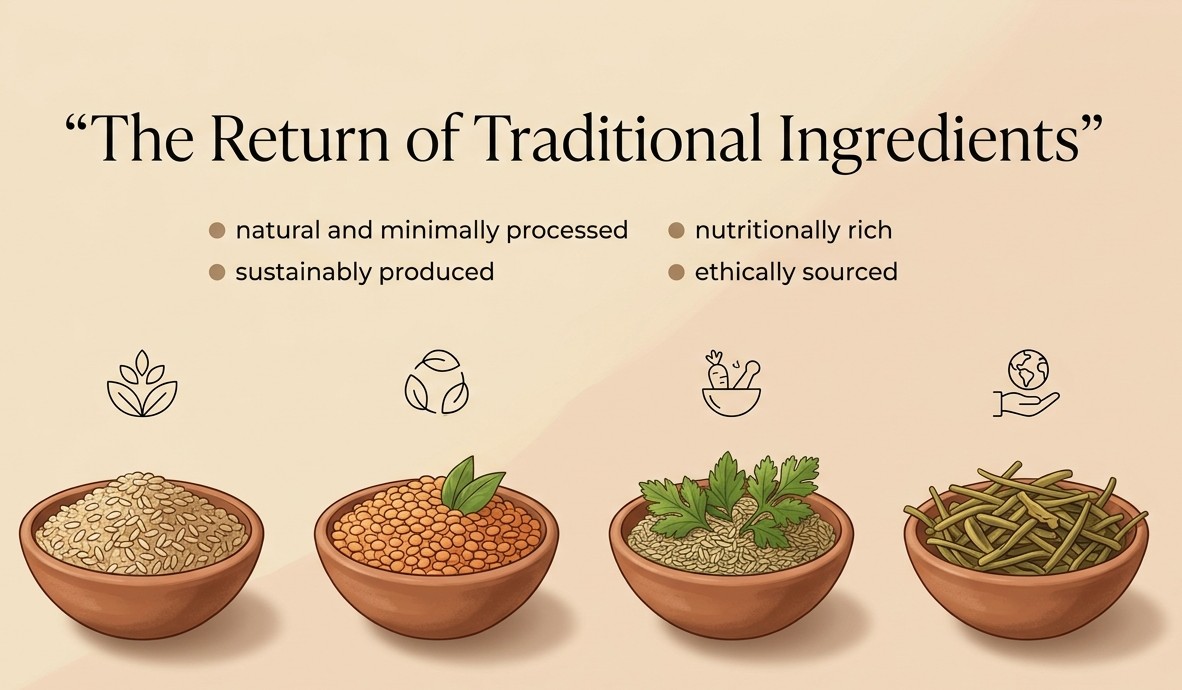
Interestingly, the modern food movement is beginning to rediscover the value of traditional ingredients. Consumers today are increasingly looking for foods that are: ● natural and minimally processed ● sustainably produced ● nutritionally rich ● ethically sourced These values align closely with the characteristics of indigenous food systems. As chefs, nutritionists, and food entrepreneurs explore these ingredients, they are finding new ways to introduce traditional foods into modern diets. From gourmet restaurants to health-conscious households, indigenous ingredients are gradually finding their place in contemporary kitchens.
Bridging Tradition and Modern Living
While traditional foods offer numerous benefits, modern lifestyles often demand convenience and efficiency. In fast-paced urban environments, many people struggle to find the time required for traditional cooking methods. This is where thoughtful innovation becomes important. By carefully preparing and adapting traditional ingredients for modern kitchens, it becomes possible to preserve their authenticity while making them accessible to contemporary consumers. Ready-to-cook formats, simplified preparation methods, and improved packaging can help bridge the gap between heritage and convenience.

The Deekri Vision
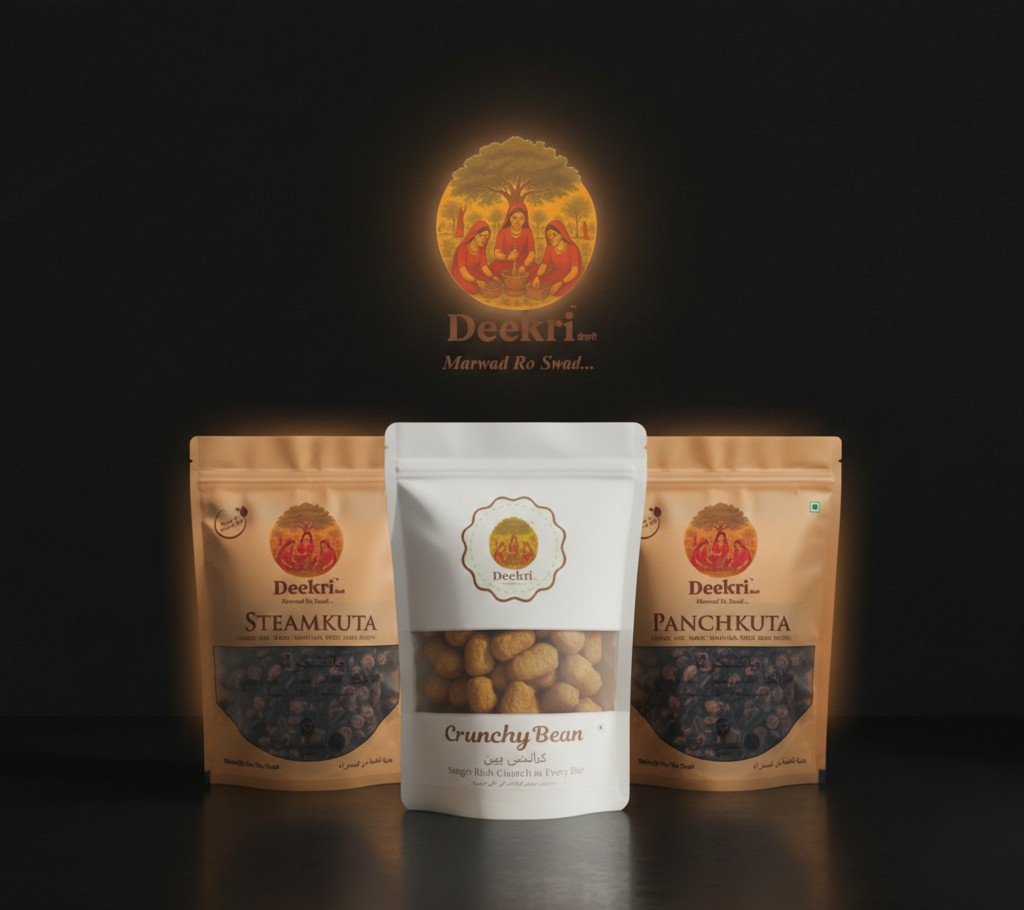
At Deekri, we believe that the future of food lies in rediscovering the wisdom of traditional ingredients while adapting them for modern lifestyles. By sourcing ingredients from desert regions and working closely with rural communities, Deekri aims to bring these remarkable foods to a wider audience. At the same time, our approach focuses on making traditional ingredients convenient for everyday cooking. By simplifying preparation processes, dishes that once required extensive preparation can now be enjoyed in a much shorter time. This approach allows modern consumers to reconnect with authentic ingredients while maintaining the pace of contemporary life.
Conclusion
As the global food conversation continues to evolve, indigenous ingredients are emerging as an important part of the solution. They offer a powerful combination of nutritional richness, environmental sustainability, and cultural heritage. More importantly, they remind us that the future of food does not always require new inventions—sometimes the answers already exist in traditions that have sustained communities for centuries. By embracing indigenous ingredients, we move toward a food culture that values not only health and sustainability but also the stories, landscapes, and communities behind every meal.