Introduction
Modern life moves quickly. In large metropolitan cities, long work hours, commuting, and busy schedules often leave little time for preparing traditional meals. As a result, many people turn to highly processed or fast food options that sacrifice nutrition and authenticity for convenience. At the same time, there is a growing desire to reconnect with traditional foods—ingredients that are natural, nourishing, and rooted in cultural heritage. Bringing these two worlds together is the challenge of modern food innovation. How can traditional foods, often associated with long preparation methods, fit into today’s fast-paced lifestyles?
The Depth of Traditional Food Knowledge
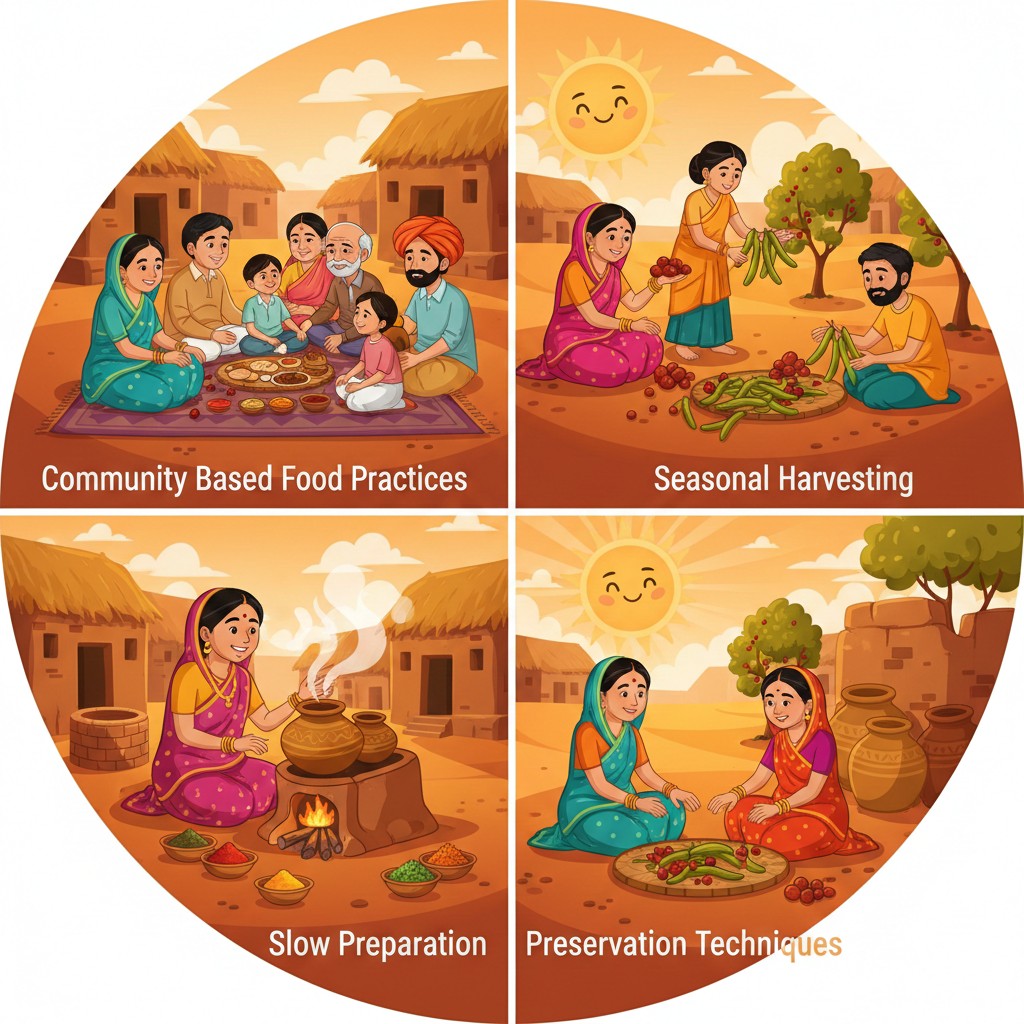
Across India’s desert regions, communities have long relied on unique ingredients such as ker, sangri, and kumat. These foods were shaped by generations of knowledge about the land, climate, and natural resources. Traditional cooking methods often involved: ● Slow preparation ● Careful preservation techniques ● Seasonal harvesting ● Community-based food practices These methods ensured that the food was not only flavorful but also nutritionally balanced and sustainable. However, preparing such dishes traditionally could take hours—something that modern urban lifestyles rarely allow.
The Challenge of Modern Urban Living
In fast-growing cities, time has become one of the most valuable resources. Many people want to eat healthier and explore traditional foods but simply cannot dedicate long hours to cooking. This gap between traditional food heritage and modern convenience has created an important opportunity for innovation. The goal is not to replace traditional foods, but to make them more accessible for contemporary kitchens.
Reimagining Traditional Ingredients
Innovative food brands and producers are now rethinking how traditional ingredients can be prepared and presented for modern consumers. By simplifying preparation processes while maintaining authenticity, dishes that once required long cooking times can now be prepared much more quickly. This allows people to enjoy the flavors and nutrition of traditional foods without compromising their daily schedules.
Bringing Desert Heritage to Modern Kitchens
At Deekri, the focus is on bridging this gap between heritage and convenience. By sourcing traditional desert ingredients and carefully preparing them into ready-to-cook formats, Deekri makes it possible for people to experience authentic regional foods in just 15 to 20 minutes. This approach allows busy professionals, families, and young consumers to enjoy traditional flavors without the complexity of traditional preparation. In doing so, it connects the wisdom of the desert with the realities of modern urban life.
A New Way to Experience Traditional Food
The future of food does not have to choose between tradition and convenience. Instead, the two can complement each other. When traditional ingredients are thoughtfully adapted for modern lifestyles, they become more accessible to a wider audience while still preserving their cultural and nutritional value. In this way, heritage foods can continue to evolve while staying rooted in their origins.
Conclusion
Traditional foods carry stories of land, culture, and community. While modern lifestyles demand speed and efficiency, they do not have to disconnect us from these valuable traditions. By blending heritage with innovation, it becomes possible to bring the richness of traditional ingredients into contemporary kitchens. The result is a new food experience—one where tradition meets modern convenience, and the wisdom of the past fits naturally into the rhythm of today’s life.