Introduction: Intelligence That Was Never Named
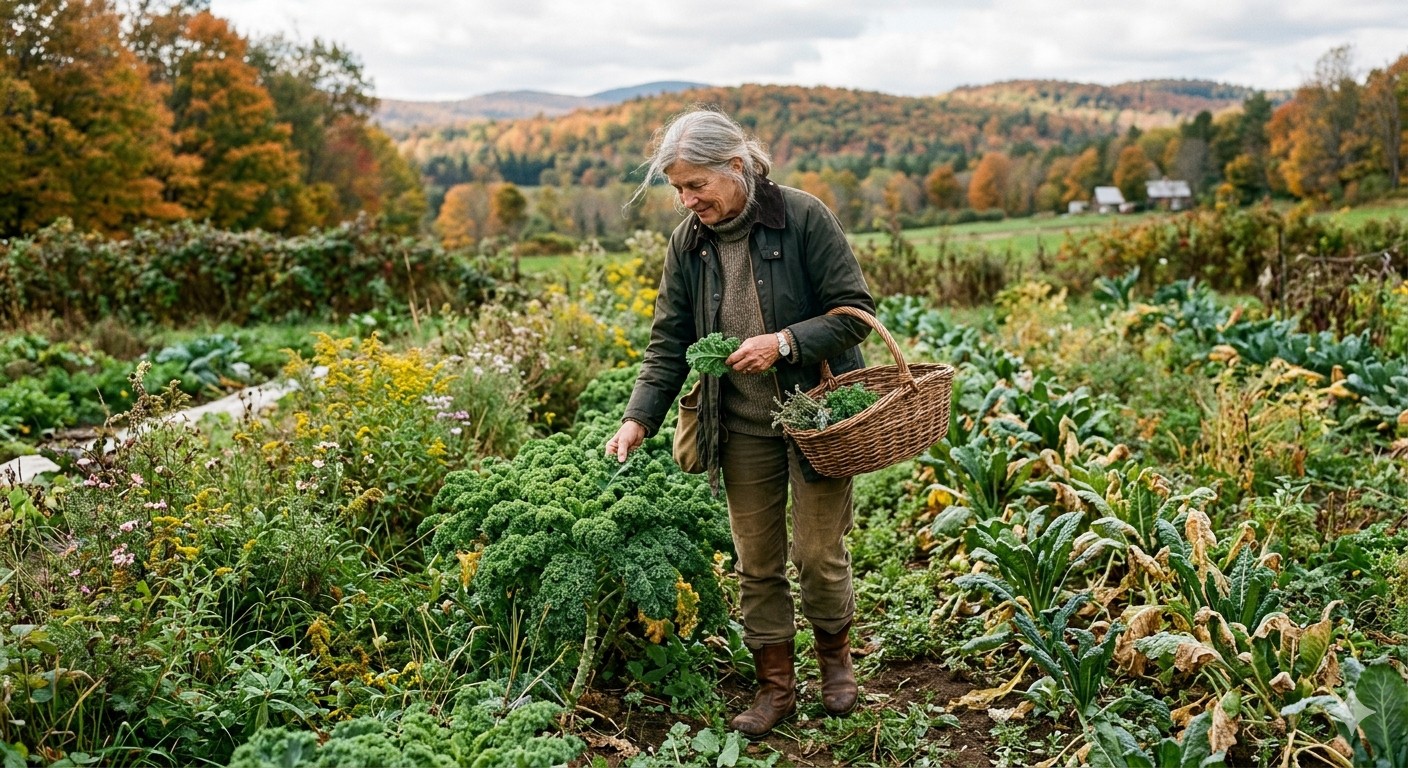
In today’s world, we often associate intelligence with data, research, and innovation. We measure it through technology, define it through science, and validate it through systems. But long before these frameworks existed, communities across the world were already practicing something remarkably intelligent—without ever naming it as such. Their food systems were not designed in laboratories or guided by formal theories. Instead, they were shaped through observation, experience, and necessity. This is what we can call the quiet intelligence of traditional food systems.
Knowledge Without Documentation
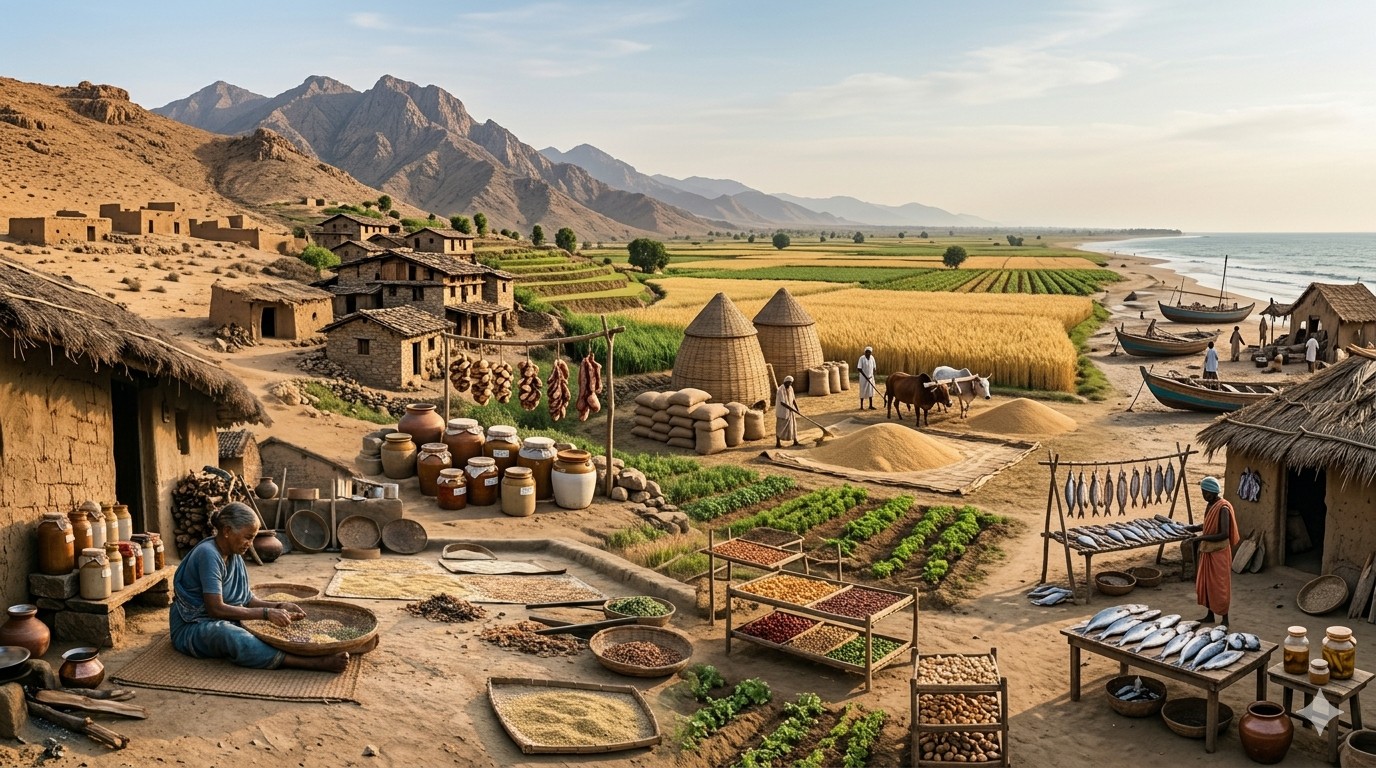
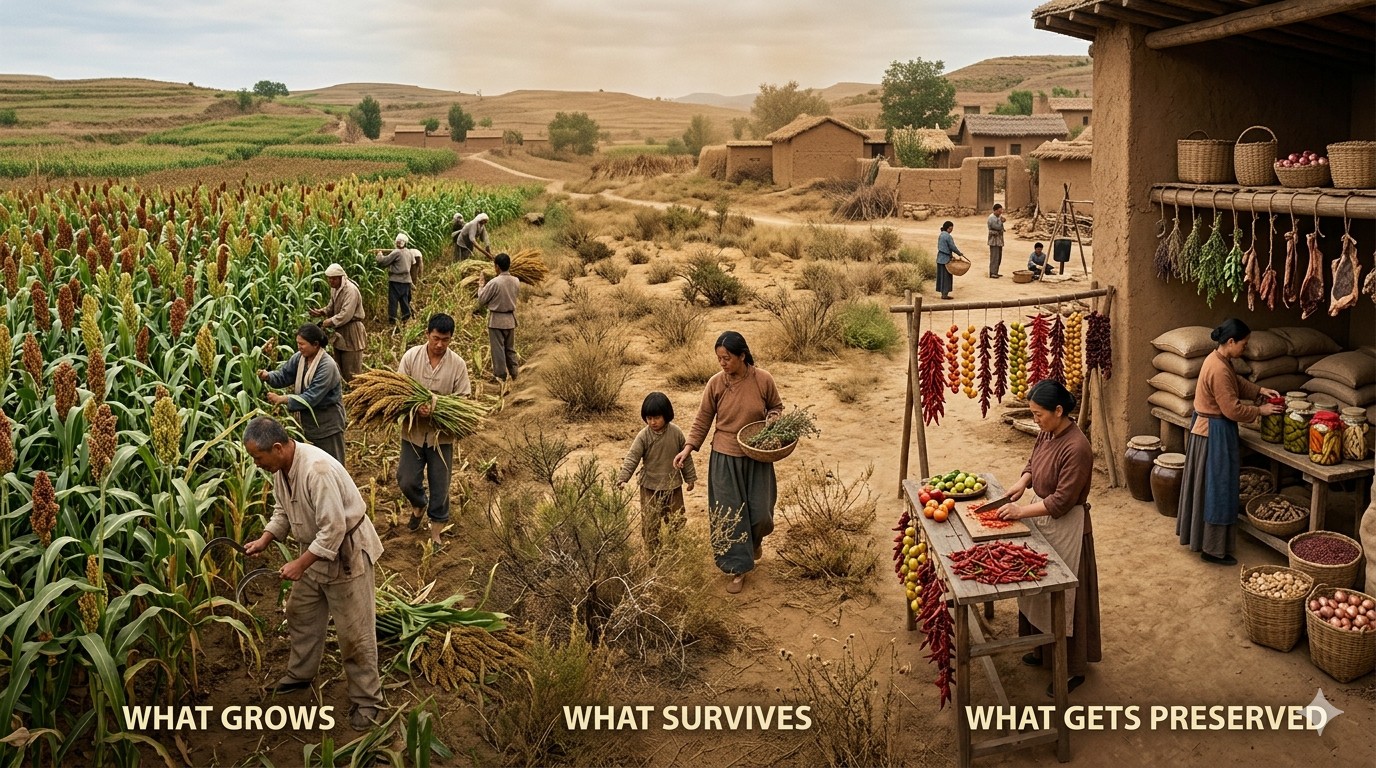
Traditional food systems were never built on written manuals or scientific validation. They evolved organically, guided by a deep understanding of the environment. Communities knew: ● what could grow in their land ● what could survive changing seasons ● what needed to be preserved and how This knowledge was not taught in structured ways—it was lived. Recipes were not fixed; they adapted. Techniques were not standardized; they responded to conditions. Over generations, this created systems that were not only functional but highly efficient.
Designed by Environment, Not Industry
Unlike modern food systems, which are often driven by scale and uniformity, traditional systems were shaped entirely by their surroundings. They were: ● local by necessity ● seasonal by design ● sustainable by default In regions like the desert, this becomes especially clear. With limited water, extreme temperatures, and unpredictable conditions, communities could not afford excess or waste. Every ingredient had a role. Every process had a purpose. Foods were dried to last longer. Ingredients were chosen for their resilience. Meals were structured to provide nourishment with minimal resources. Nothing was accidental.
Efficiency Without Waste
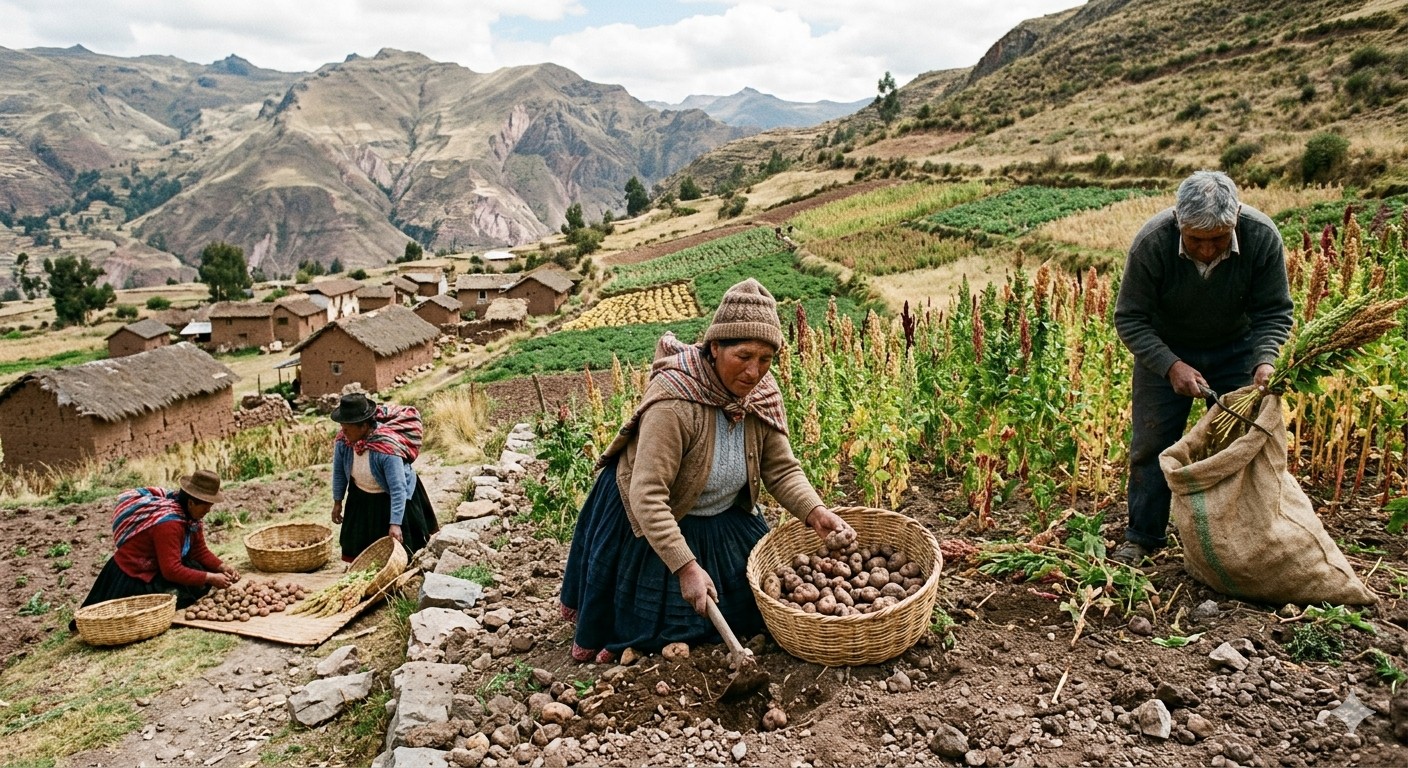
One of the most striking aspects of traditional food systems is their inherent efficiency. There was no concept of “waste management” because waste itself was minimal. ● Ingredients were used fully ● Leftovers were repurposed ● Preservation ensured longevity This wasn’t driven by environmental awareness as we define it today—it was simply the most practical way to survive. And yet, it aligns perfectly with what we now call sustainability.
Seasonal Eating as a Natural Rhythm
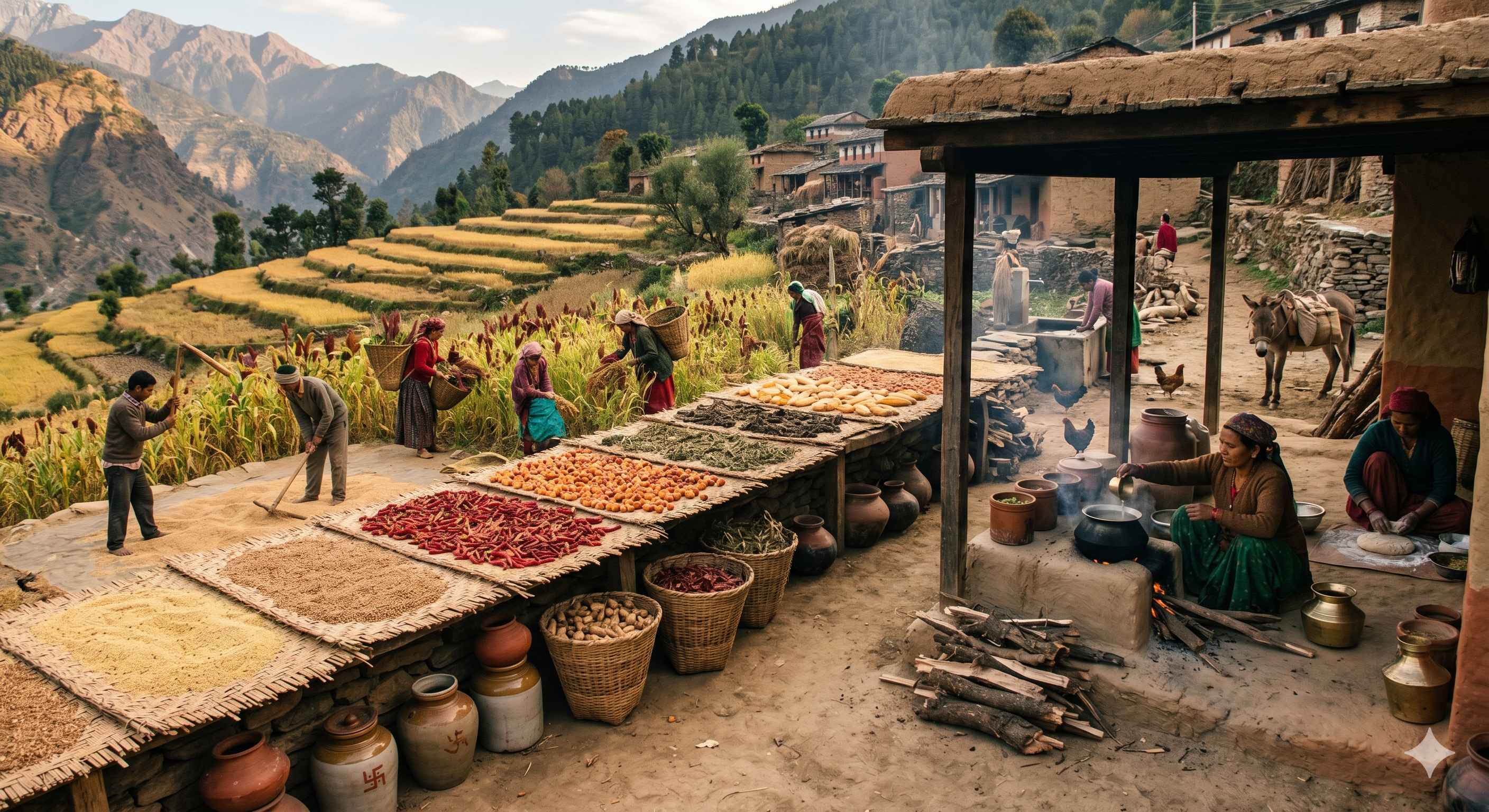
Traditional diets followed the rhythm of nature. People ate what was available in a given season, not what could be artificially produced or transported from elsewhere. This created a natural balance: ● foods were fresher ● diets were varied across the year ● the body adapted along with the environment Seasonality was not a trend—it was a necessity that ensured both health and ecological balance.
Wisdom vs Modern Innovation
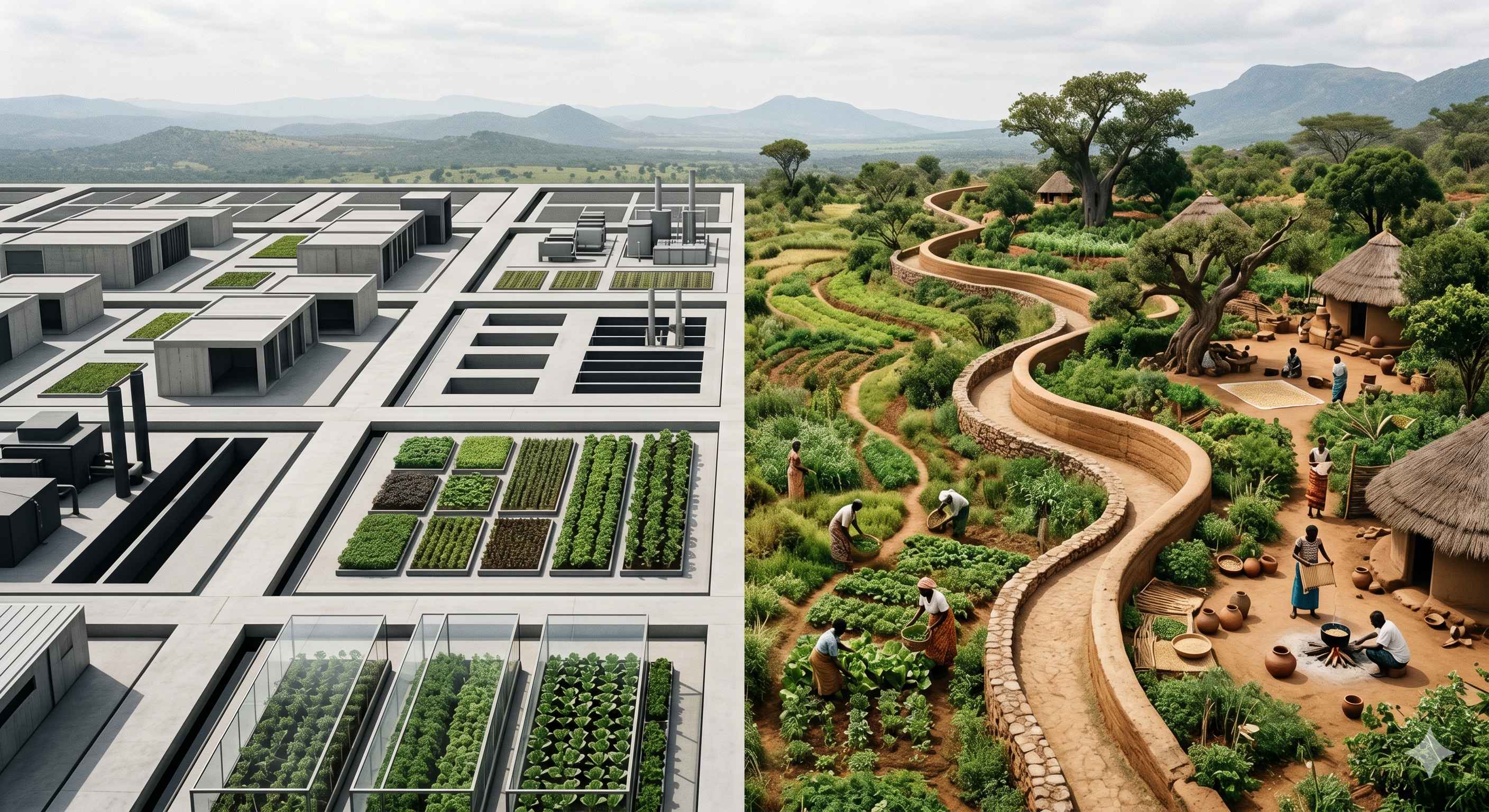
Today, we are constantly searching for solutions to challenges like climate change, food scarcity, and health imbalance. We invest in research, develop new technologies, and create complex systems to address these issues. But in many ways, traditional food systems had already solved them—quietly, without recognition. This is not to dismiss modern innovation, but to question whether progress always means moving forward, or sometimes remembering what already worked.
The Role of Deekri
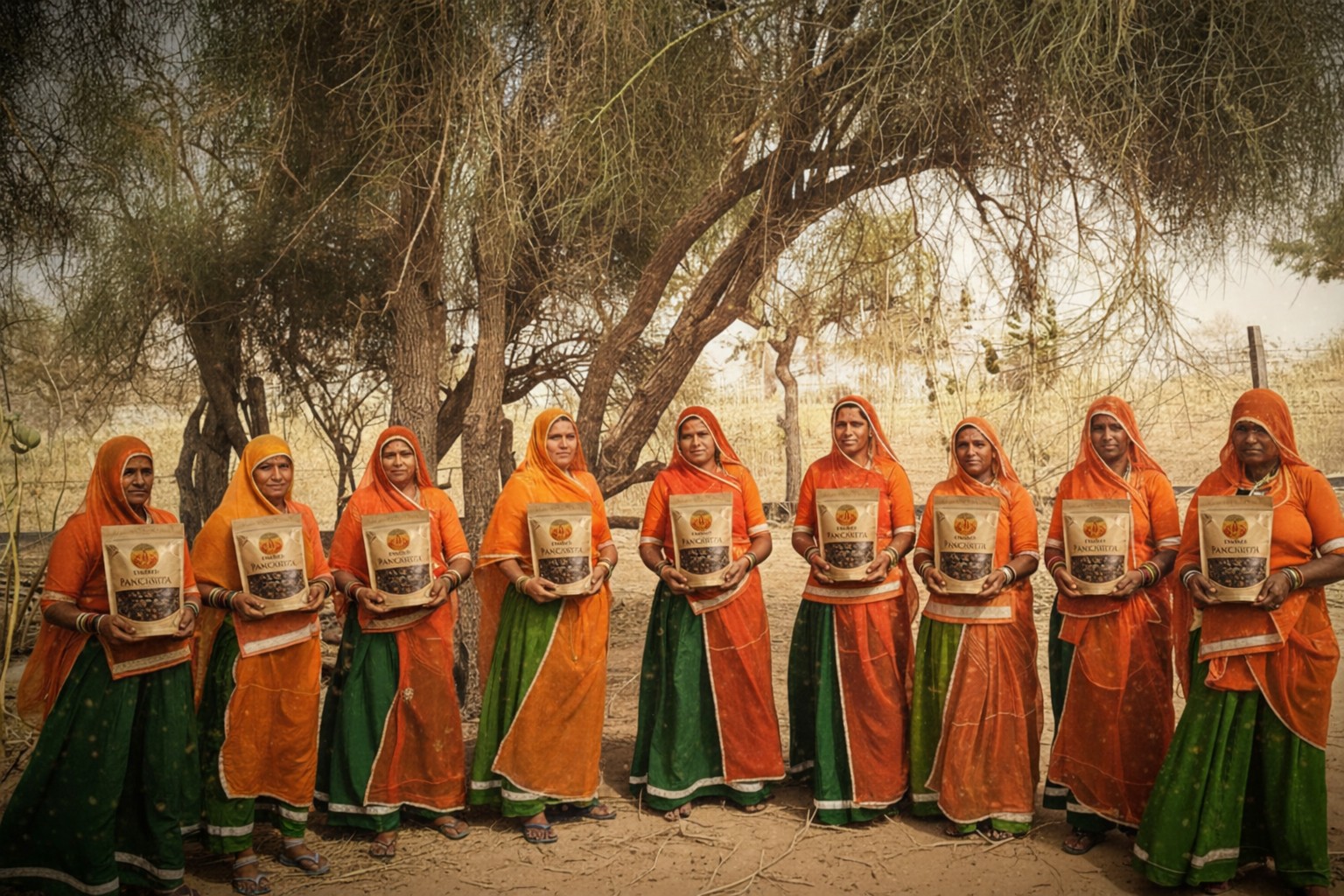
At Deekri, the focus is not on reinventing food, but on reconnecting with systems that already exist. By working with ingredients shaped by harsh climates and guided by generations of knowledge, we aim to bring this quiet intelligence into modern kitchens. Through accessible formats, these foods can fit into today’s lifestyles—without losing the essence of where they come from.
Conclusion: Intelligence That Speaks Softly
Not all intelligence is loud, visible, or documented. Some of it exists quietly—in practices that have stood the test of time. Traditional food systems are a reflection of this kind of intelligence. They are not just about what people ate, but how they adapted, survived, and thrived within their environment. In understanding them, we are not looking backward. We are learning how to move forward, more thoughtfully.