Introduction: Taste Is Not Random
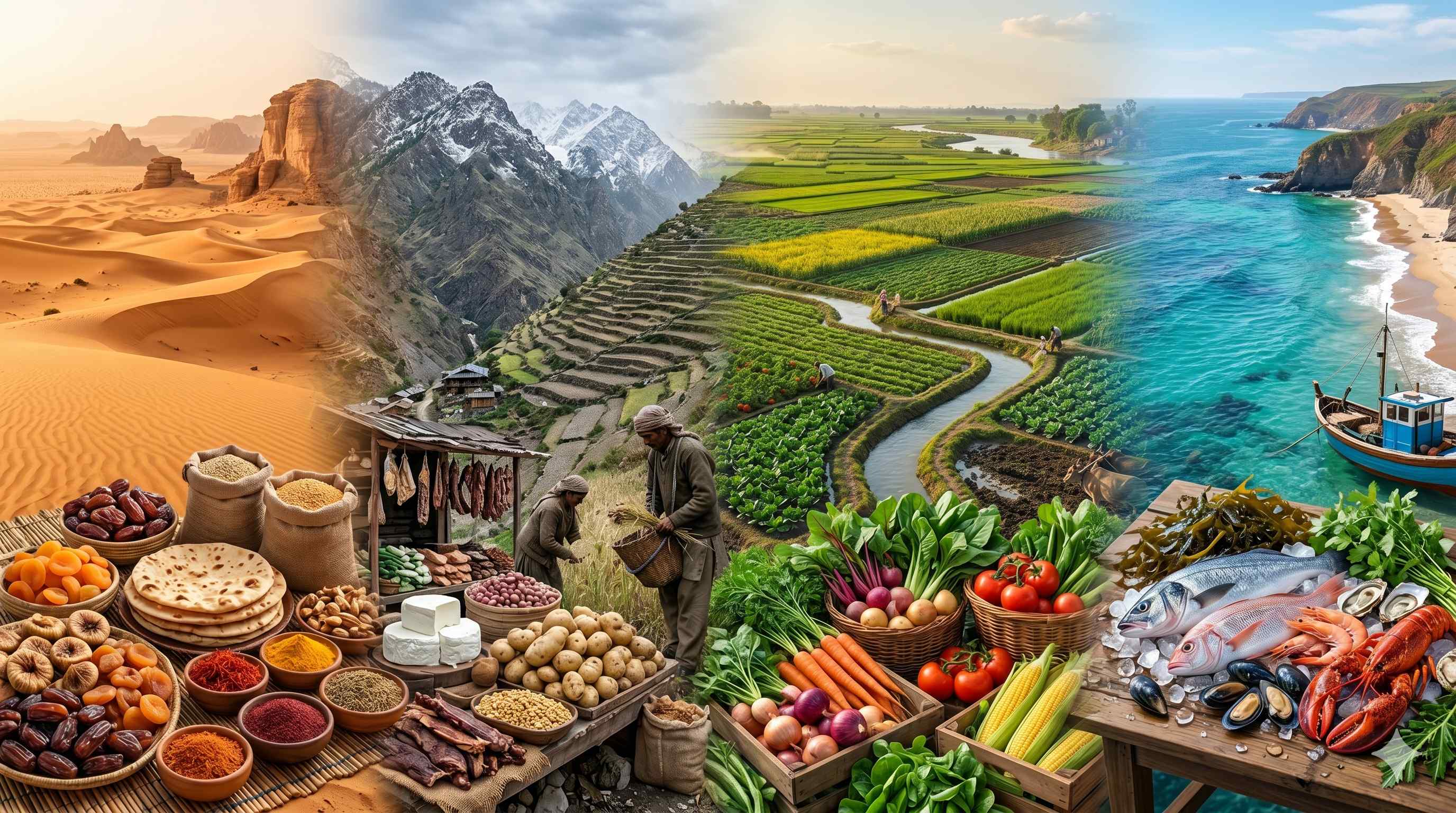
Why does food from different regions feel so distinct—sometimes even unfamiliar? Why do some cuisines rely heavily on spices and preservation, while others celebrate freshness and simplicity? These differences are not accidental. They are the result of geography. Long before globalization and modern supply chains, people ate what their land allowed. Over time, these constraints turned into systems—carefully shaped ways of growing, cooking, and preserving food. Taste, then, is not just a matter of preference. It is a reflection of climate, survival, and adaptation.
Landscapes as Silent Designers of Food
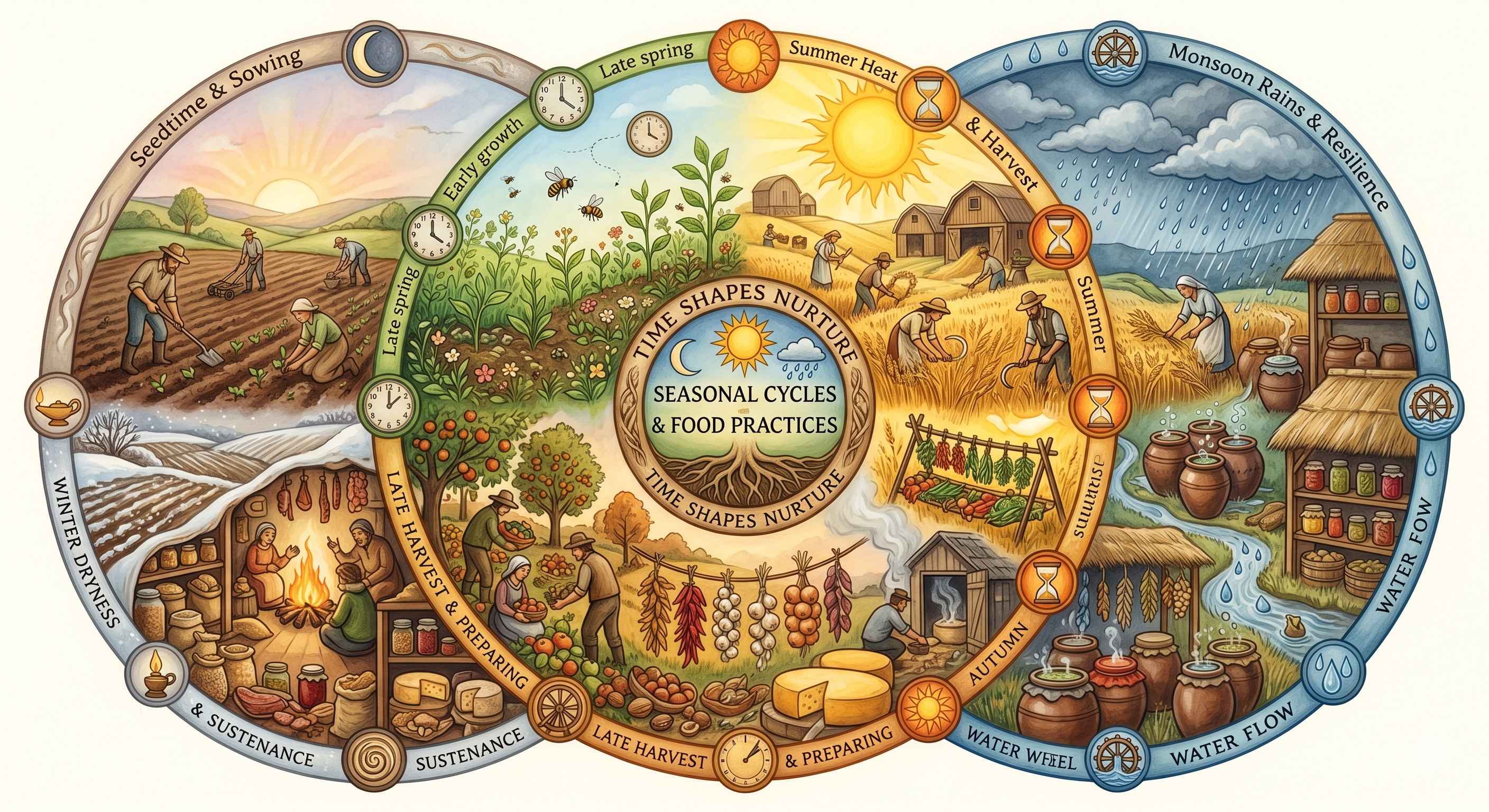
Every region operates within a set of natural conditions: ● Availability of water ● Soil composition ● Temperature and seasonal cycles ● Accessibility to resources These factors quietly determine: ● What can grow ● How often it can be harvested ● How long it can be stored In response, communities develop food practices that are not just cultural, but functional. Over generations, these practices evolve into cuisines—each one carrying the imprint of its landscape.
The Desert: Where Scarcity Creates Depth
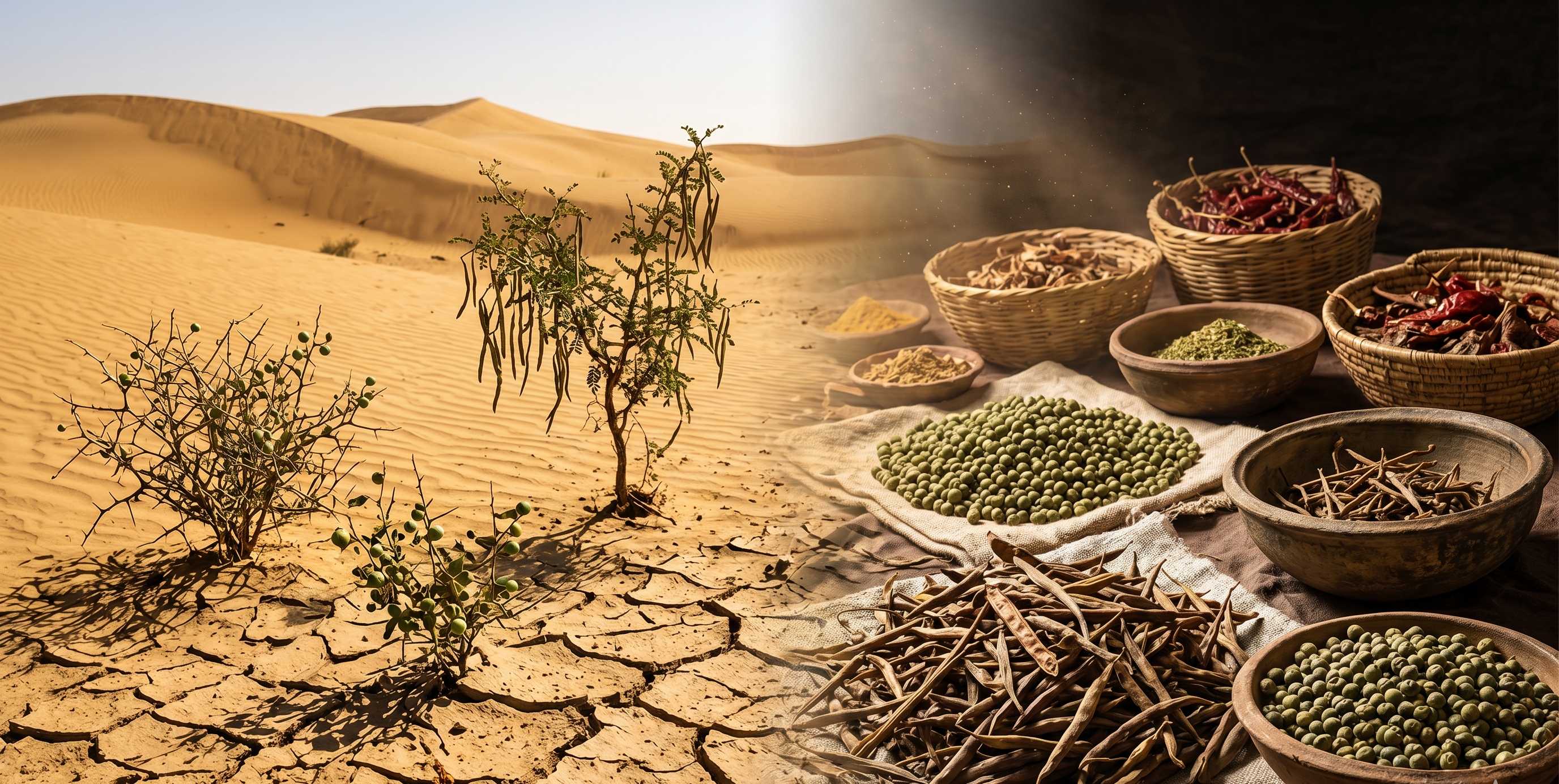
In arid regions, survival depends on efficiency. Water is limited. Agriculture is uncertain. Fresh produce cannot be relied upon year-round. As a result, desert communities developed a system built on: ● Drought-resistant ingredients ● Preservation techniques like drying and storing ● Minimal resource usage Ingredients such as sangri, ker, gunda, and kumat are not accidental crops—they are adapted species, capable of thriving in extreme conditions. Because of intense sunlight and low water content, these foods often develop: ● Concentrated flavors ● Dense nutritional profiles ● Longer shelf life ● Require less water ● Provide sustained energy
The Mountain Regions: Preserving Against Time
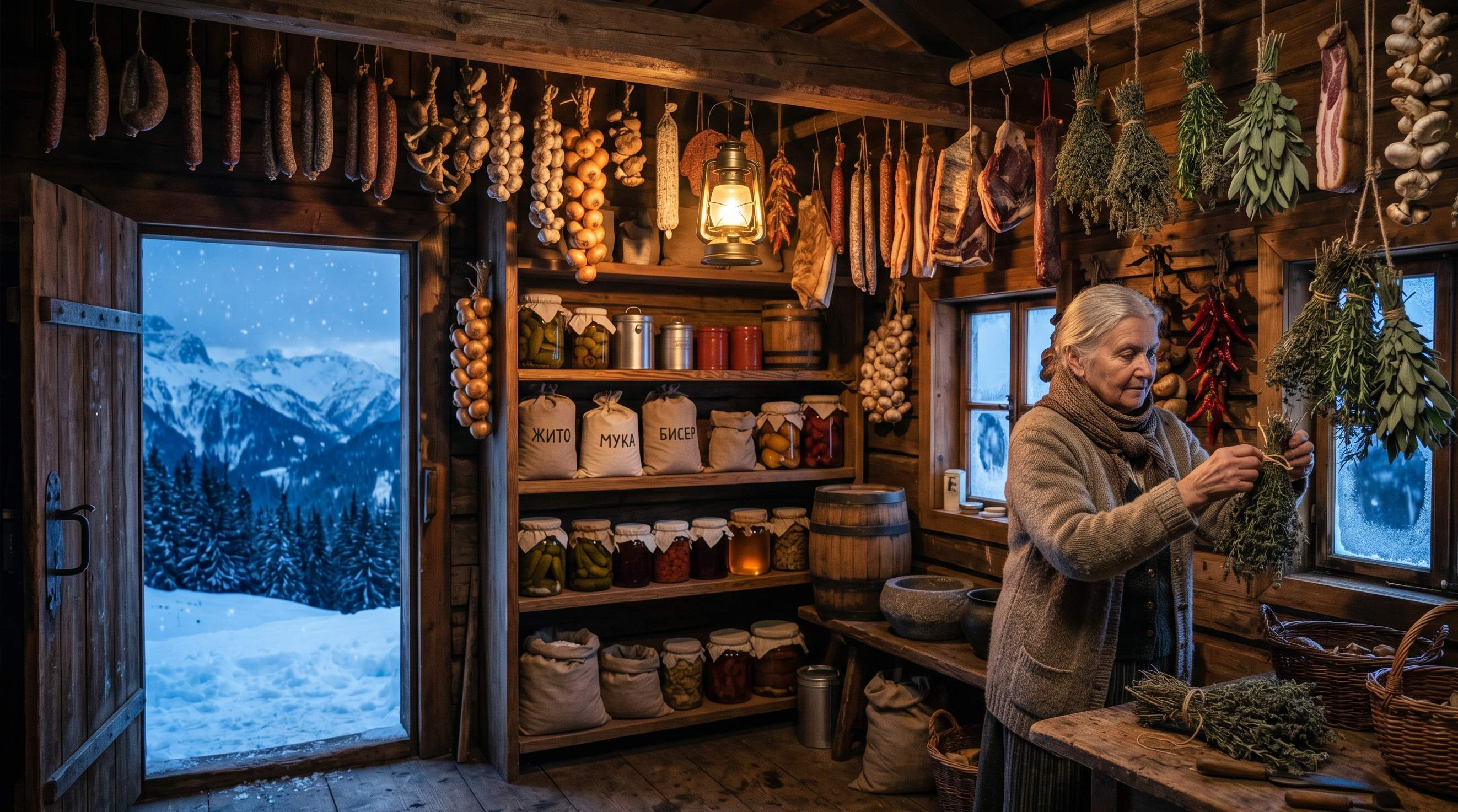
In mountainous terrains, the challenge is not water scarcity but seasonal limitation. Harsh winters and short growing periods make continuous agriculture difficult. To cope with this, communities rely on: ● Fermentation ● Drying and curing ● Storage for long winters ● Extending shelf life ● Enhancing nutrient absorption ● Improving digestion These practices give rise to foods that are: ● Complex in flavor ● Rich in probiotics ● Deeply nourishing Meals tend to be warm, dense, and energy-rich—designed to sustain the body in cold climates.
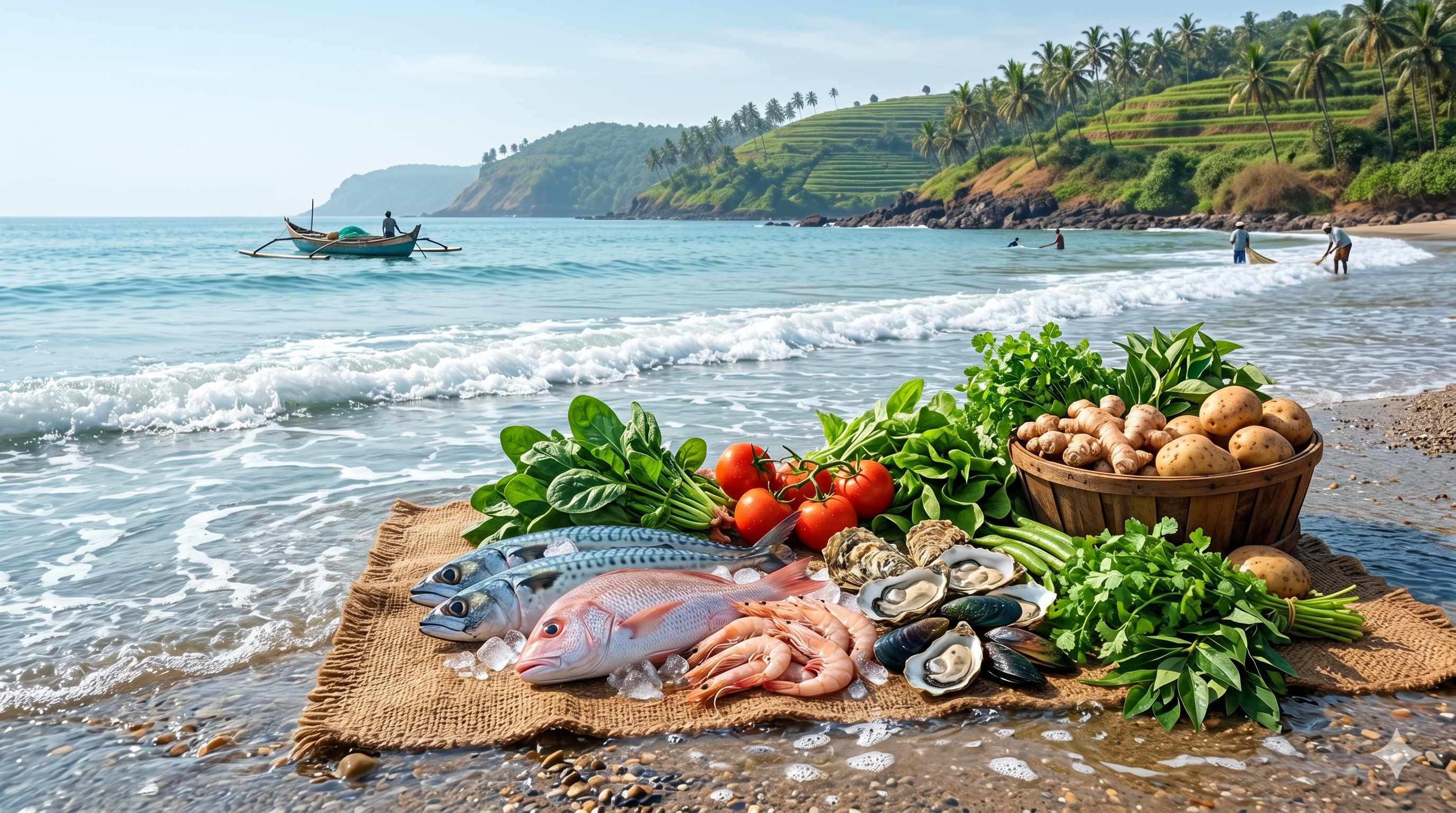
Coastal Regions: The Luxury of Freshness
Coastal ecosystems offer a different kind of advantage—immediacy. Access to water and a steady supply of fresh ingredients reduce the need for long-term preservation. Seafood, fresh vegetables, and quick cooking methods dominate. Here, food systems emphasize: ● Freshness ● Speed of preparation ● Minimal intervention ● Flavors remain ‣ light ‣ clean ‣ vibrant The environment allows for immediacy, and the cuisine reflects that.
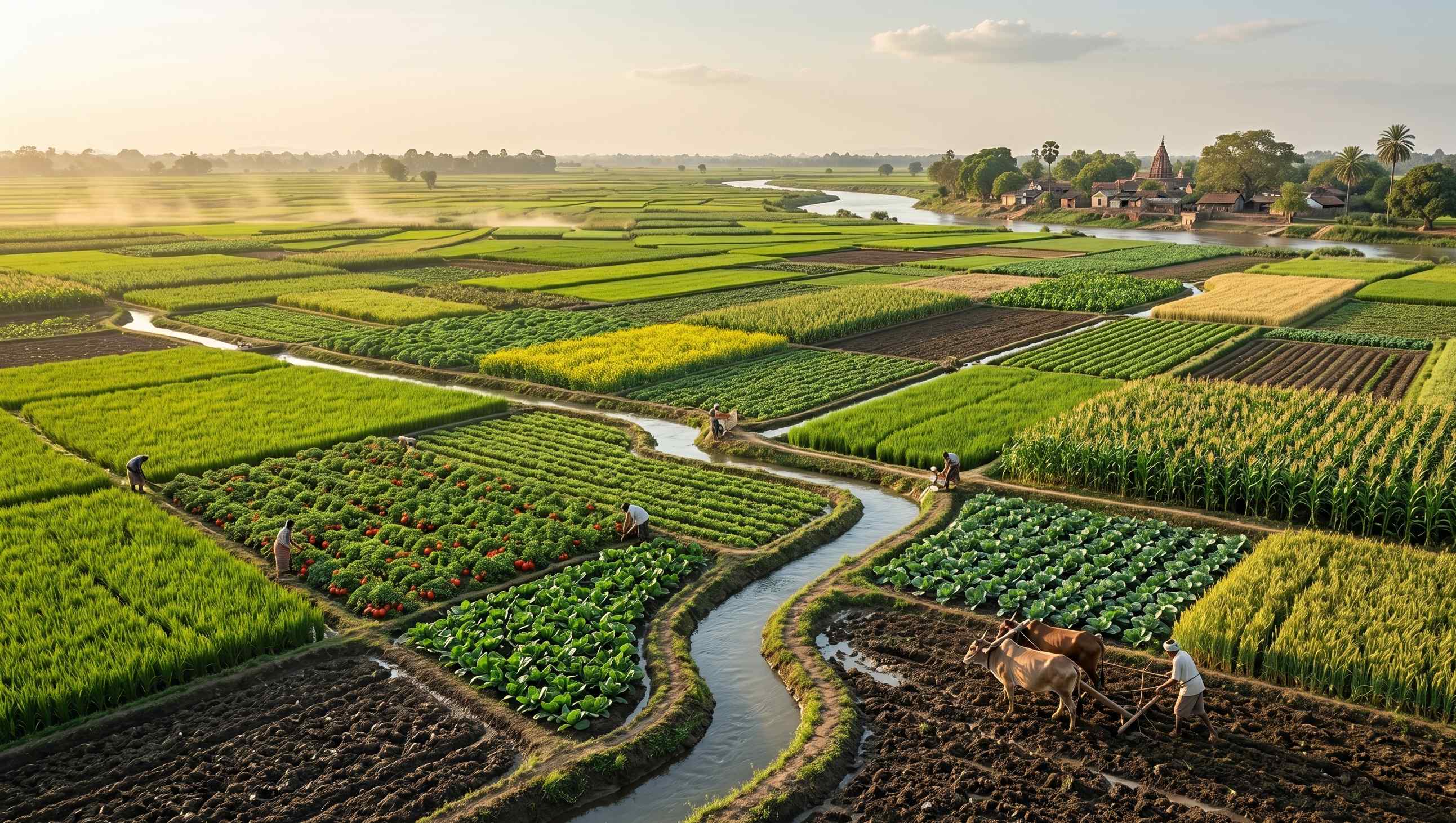
Fertile Plains: Abundance and Diversity
In regions where soil is rich and water is accessible, agriculture becomes stable. This stability allows for: ● diverse crop production ● regular harvesting cycles ● experimentation with ingredients Unlike harsher environments, where food systems are built around constraint, these regions operate with relative abundance. As a result, cuisines from fertile plains often feature: ● variety ● balance ● layered preparations Here, food becomes not just functional, but expressive.
Bringing Geography Back to the Plate
At Deekri, the focus is not just on ingredients, but on the landscapes they come from. By working with desert-grown foods, we aim to bring a specific geography—its climate, its challenges, its wisdom—into modern kitchens. Through accessible formats and simplified preparation, these foods can fit into contemporary lifestyles without losing their original essence. In doing so, we are not changing the food. We are allowing it to travel—without losing where it comes from.
Conclusion: Every Flavor Has a Landscape
Every region carries its own taste. Not because people chose it, but because the land shaped it. Understanding this connection allows us to see food differently—not as isolated recipes, but as systems rooted in place, time, and necessity. To explore food deeply is to explore geography. And in that exploration, we begin to appreciate not just what we eat—but why it exists.