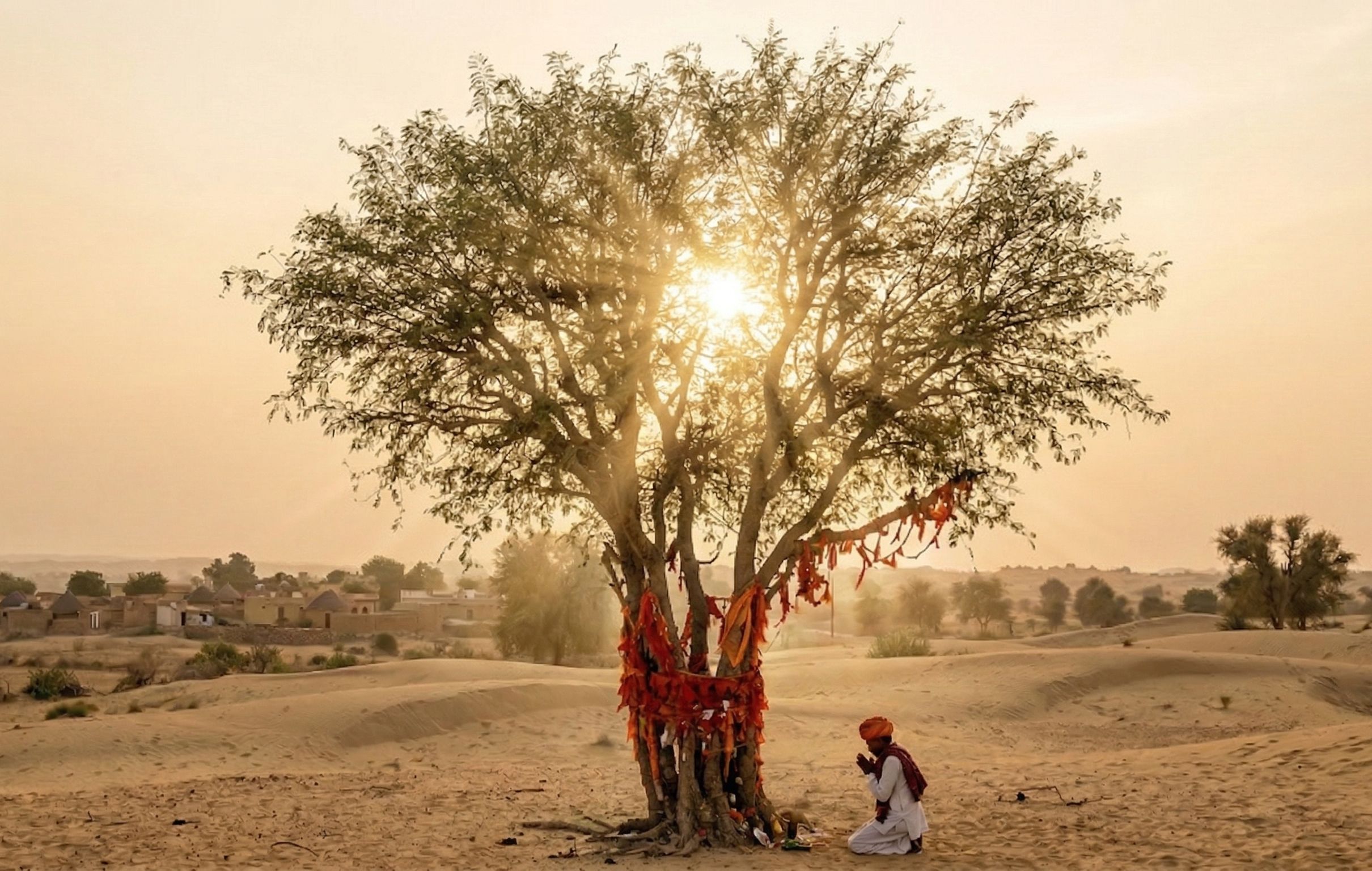
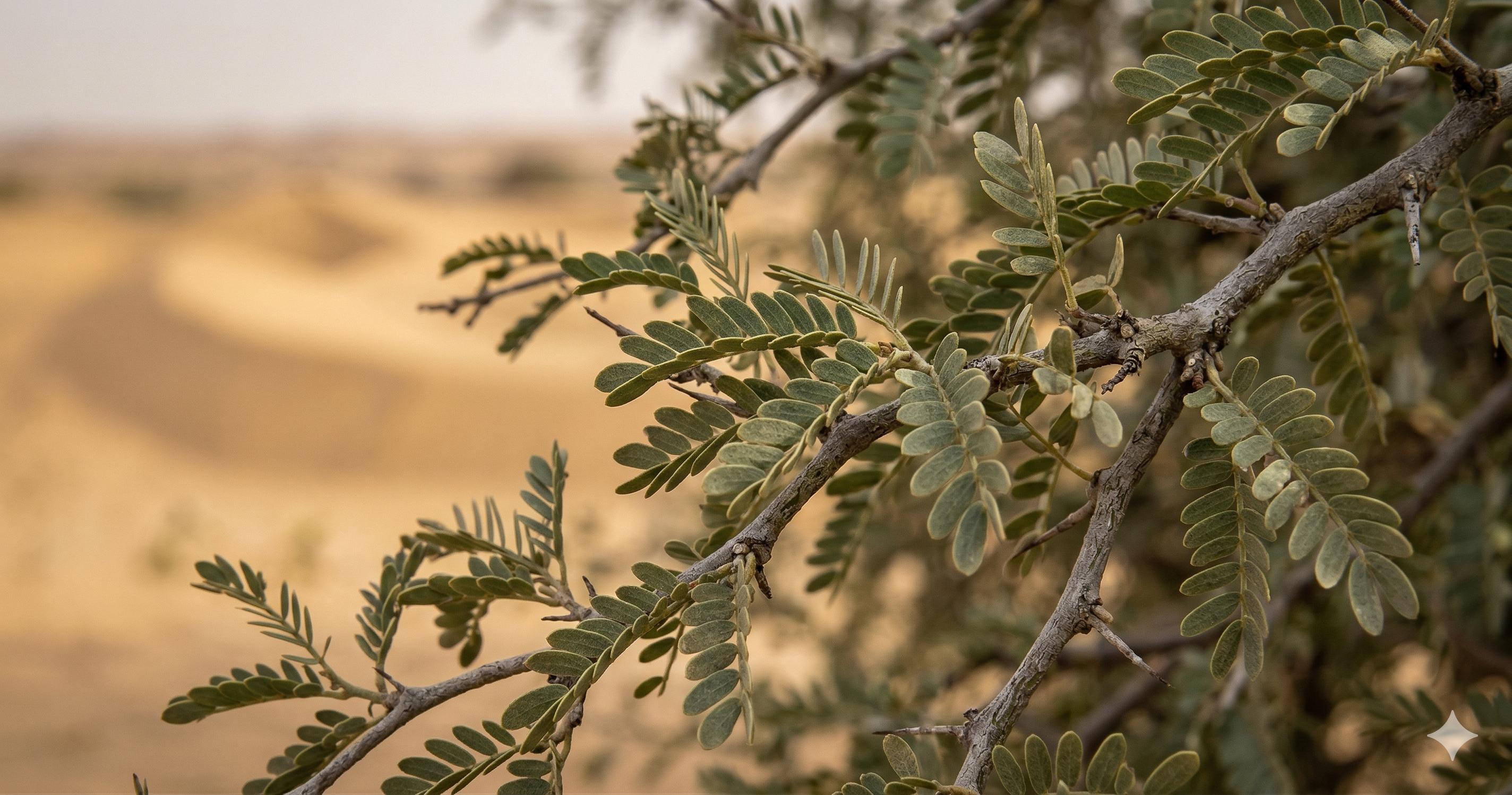
In the harsh landscapes of the Thar Desert, where survival is a daily challenge, one tree has stood the test of time—resilient, nourishing, and deeply respected. The Khejri tree is not just a part of the desert ecosystem; it is the backbone of life, culture, and sustainability in Rajasthan. For centuries, this tree has supported communities with food, shelter, and livelihood. Today, as the world searches for climate-smart and sustainable solutions, Khejri is emerging as a powerful symbol of how traditional wisdom can guide the future.
The Khejarli Sacrifice: Why Khejri is Sacred
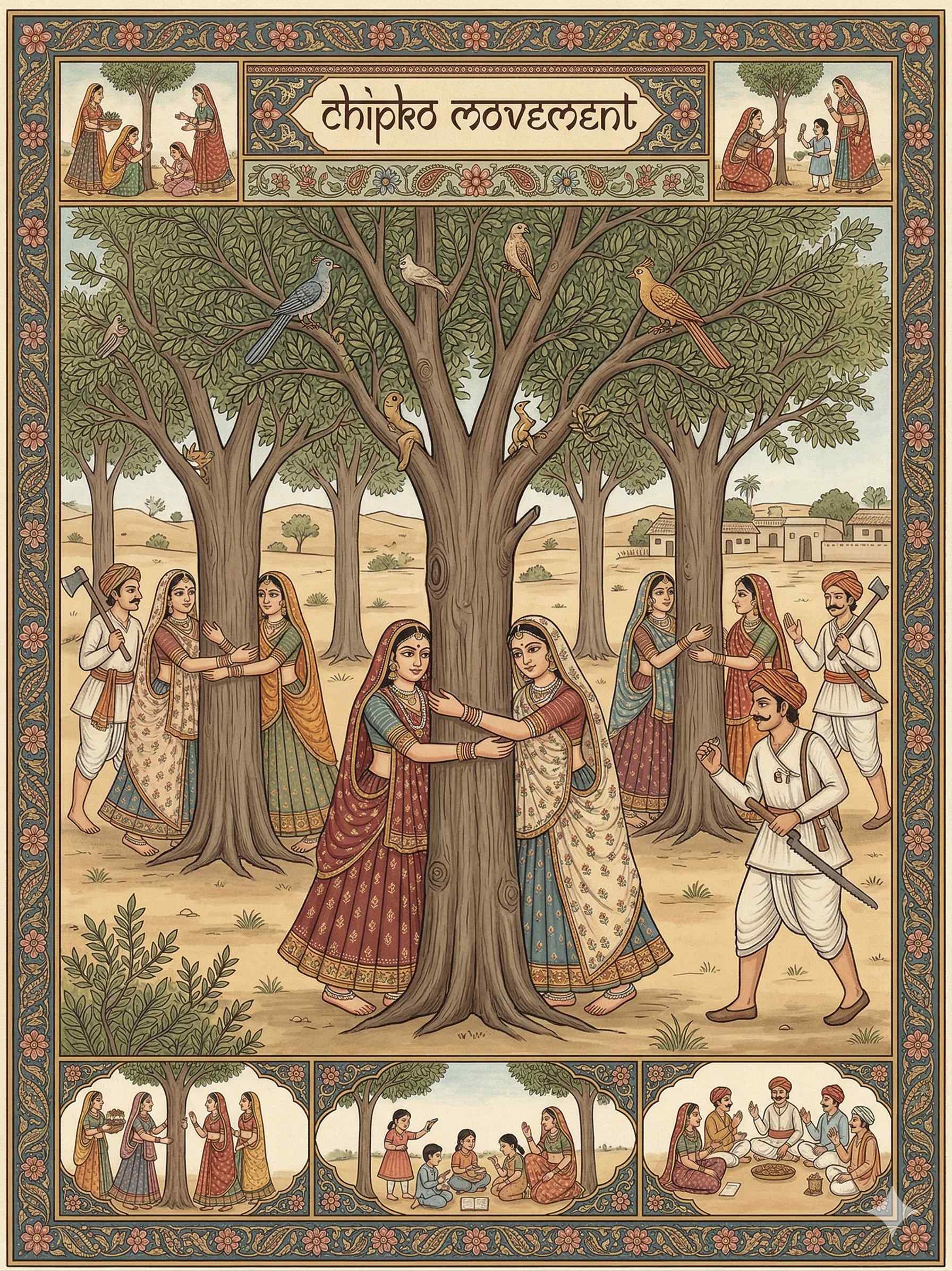
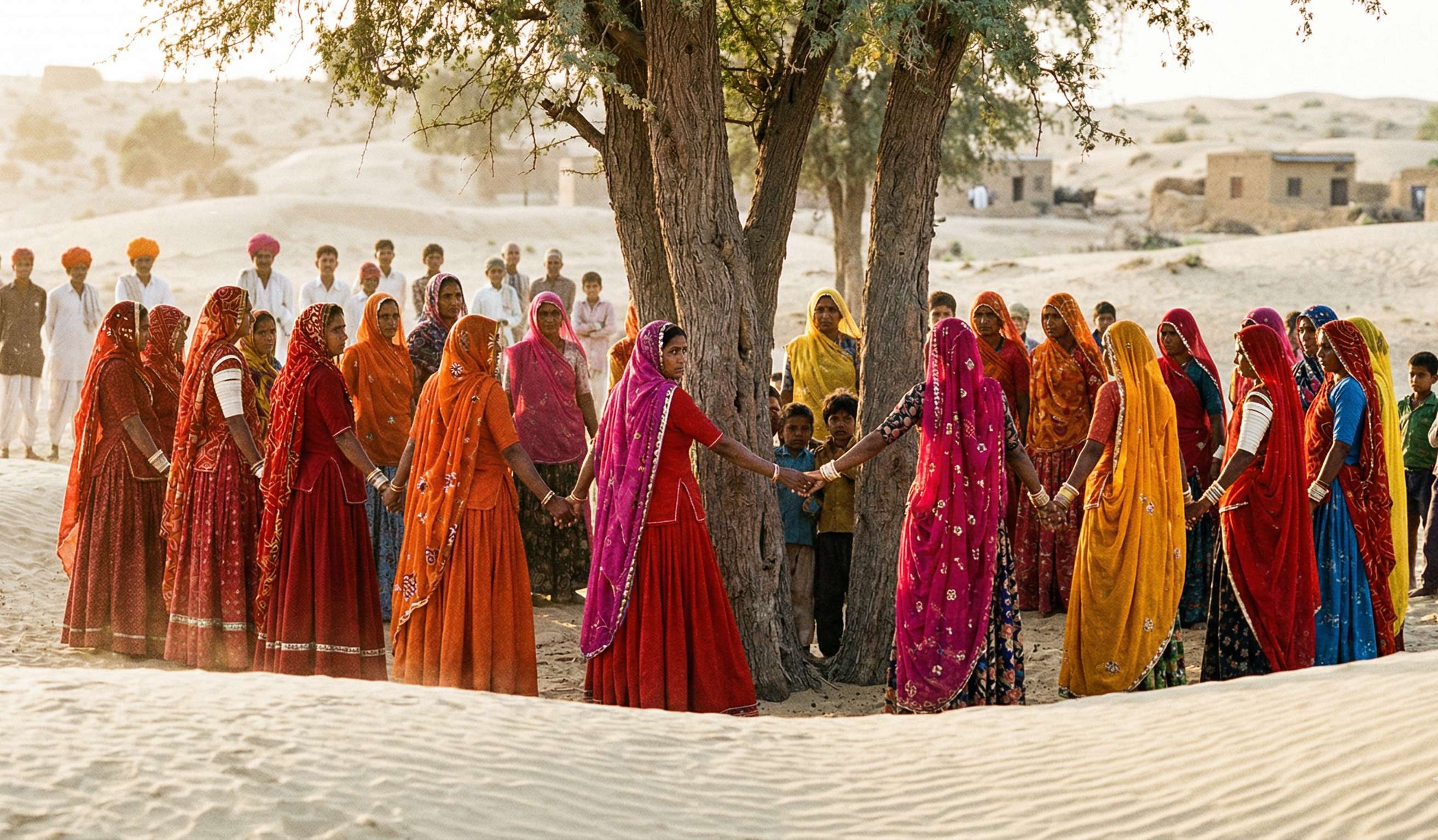
The deep respect for the Khejri tree in Rajasthan is not just because of its usefulness—it is rooted in faith, values, and a centuries-old way of life followed by the Bishnoi community. The Bishnoi community, founded by Guru Jambheshwar (also known as Jambhoji), has followed 29 principles (“Bis” = 20, “Noi” = 9) since the 15th century. These principles emphasize living in harmony with nature, including strict rules against cutting green trees and harming animals. Among all trees, Khejri holds a special place because it sustains life in the desert—providing food, fodder, and ecological balance. This belief was powerfully demonstrated during the Khejarli massacre in 1730. In the village of Khejarli, when royal soldiers came to cut Khejri trees, a Bishnoi woman, Amrita Devi Bishnoi, stood in their way. She hugged a Khejri tree and refused to move, saying that protecting a tree is more valuable than one’s own life. She was killed, but her sacrifice inspired others. One by one, over 300 Bishnoi men, women, and even children followed her path—embracing trees and giving their lives to protect them. This act of resistance is considered one of the earliest examples of environmental protection in the world and later inspired movements like the Chipko Movement. Even today, this story defines the deep respect people of Rajasthan have for Khejri—it is not just a tree, it is a symbol of life, sacrifice, and harmony with nature.
Why Khejri is Called the Lifeline of the Desert ?
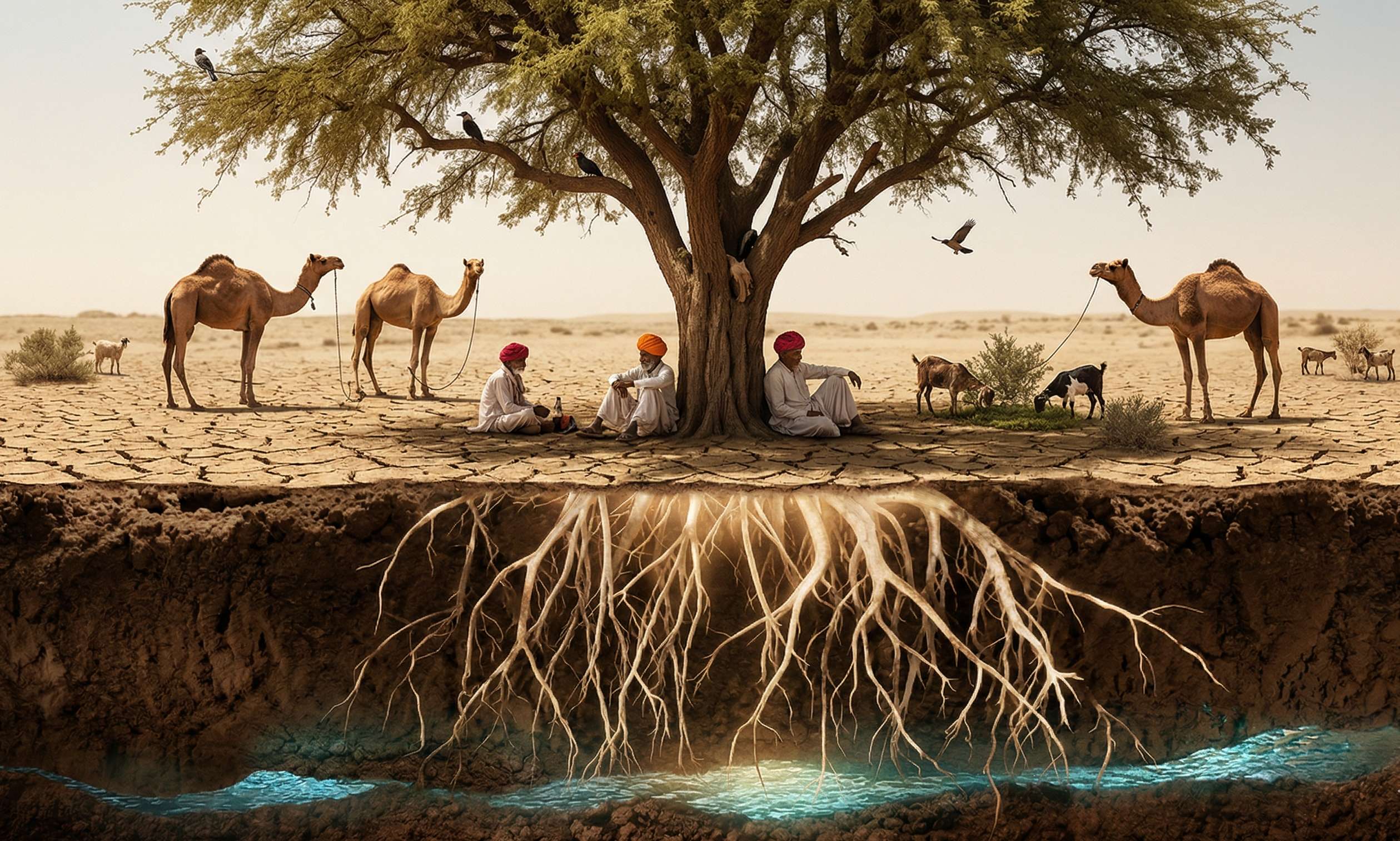
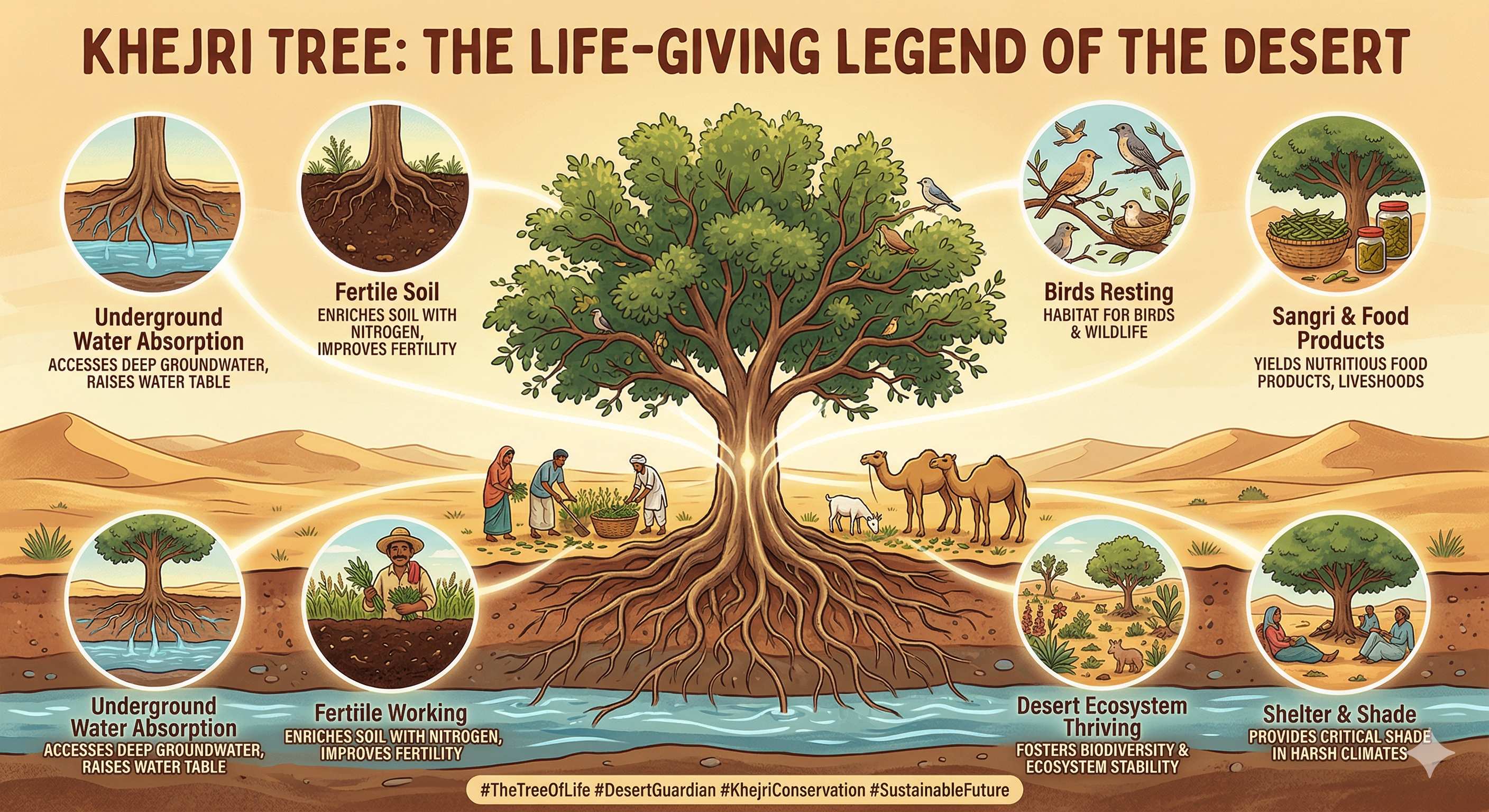
Khejri thrives in extreme heat, poor soil, and minimal rainfall—conditions where most plants cannot survive. Yet, it continues to support entire ecosystems. It plays a vital role in desert life by: ● Surviving harsh temperatures and drought conditions ● Requiring very little water ● Improving soil fertility naturally ● Preventing desertification and soil erosion ● Providing shade and fodder for livestock For rural communities, Khejri is not just a resource—it is security, stability, and survival.
A Climate-Smart Food for the Future
The global conversation around food is changing. With rising temperatures, water scarcity, and soil degradation, the question is no longer just “what to eat,” but “what can survive and sustain the future?” Khejri provides a powerful answer. Unlike modern crops that depend heavily on irrigation, chemicals, and controlled environments, Khejri thrives naturally. It aligns with the principles of climate-smart agriculture—not because it was designed that way, but because it evolved that way. It represents a shift in thinking: ● From high-input farming to low-resource resilience ● From short-term yield to long-term sustainability ● From exploitation of land to coexistence with nature In many ways, Khejri is not just a solution—it is a reminder that the future of food may lie in rediscovering the past.
Empowering Rural Women Through Deekri
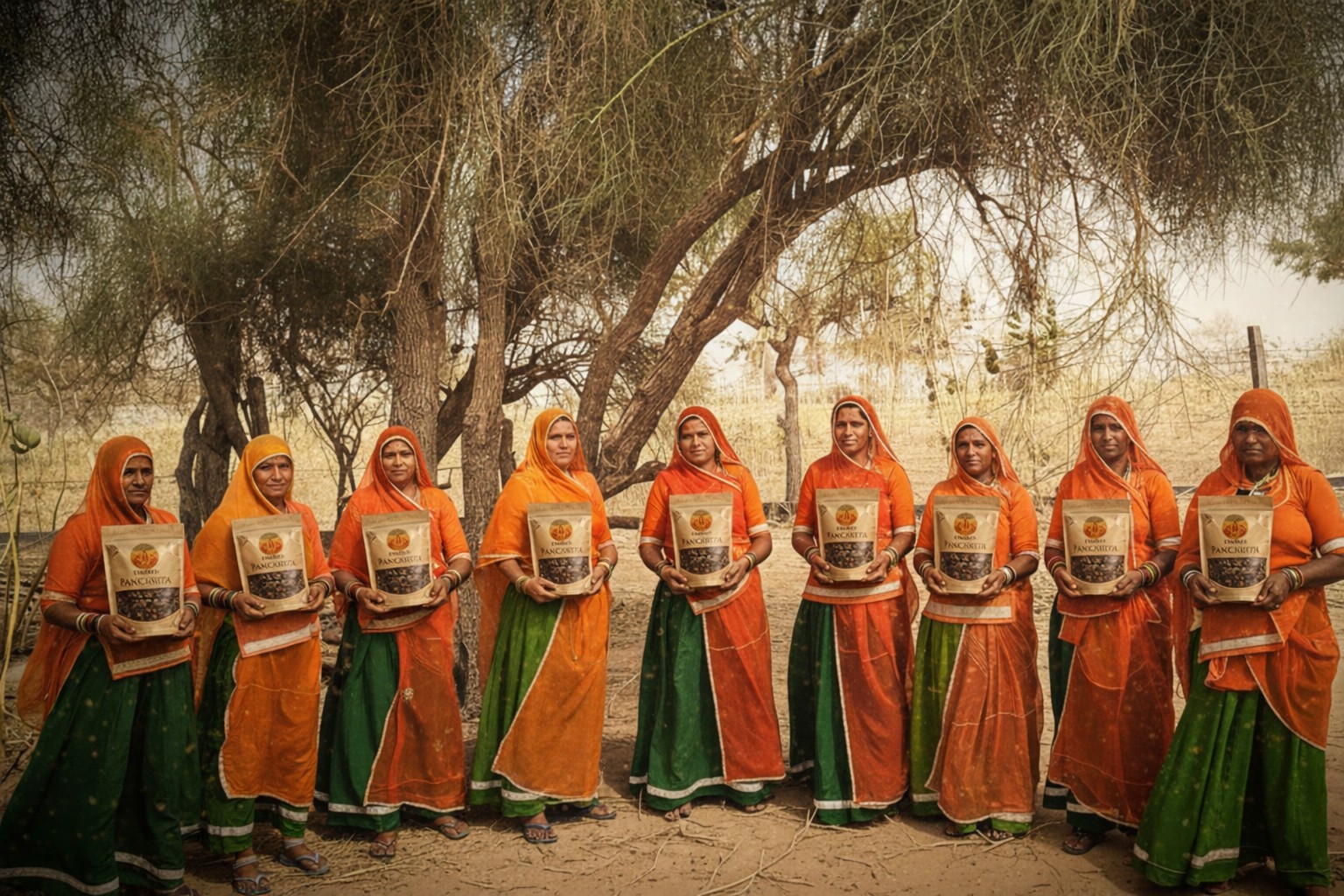
Today, that same spirit lives on in the women working through Self-Help Groups (SHGs) connected with Deekri. While the context has changed, the essence remains the same. ● Then, women protected trees to preserve life ● Today, women work with those very resources to build livelihoods and independence The hands that once held trees in protection are now: ● Harvesting Sangri ● Preserving traditional food knowledge ● Processing and creating products like Panchkuta ● Contributing to sustainable rural economies This is not just work—it is a continuation of a centuries-old relationship between women, nature, and resilience.
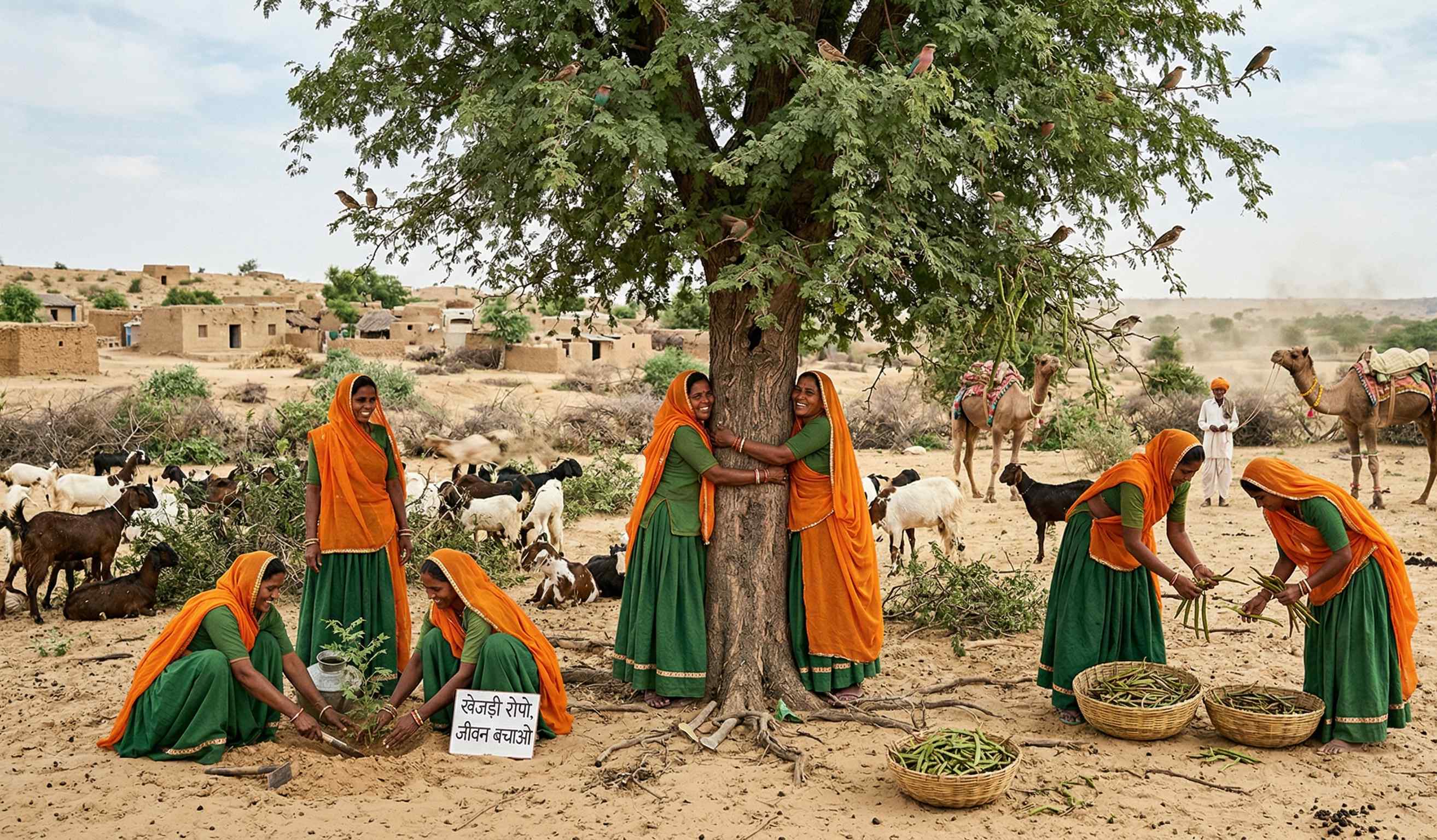
What makes this journey powerful is that it remains deeply connected to the past, carrying forward a living legacy. Every step taken by SHG women today reflects: ● The values of conservation taught by the Bishnoi community ● The courage of Amrita Devi ● The deep respect for Khejri as a source of life By engaging in this work, these women are not just earning—they are carrying forward a legacy that has always believed in living in harmony with nature.
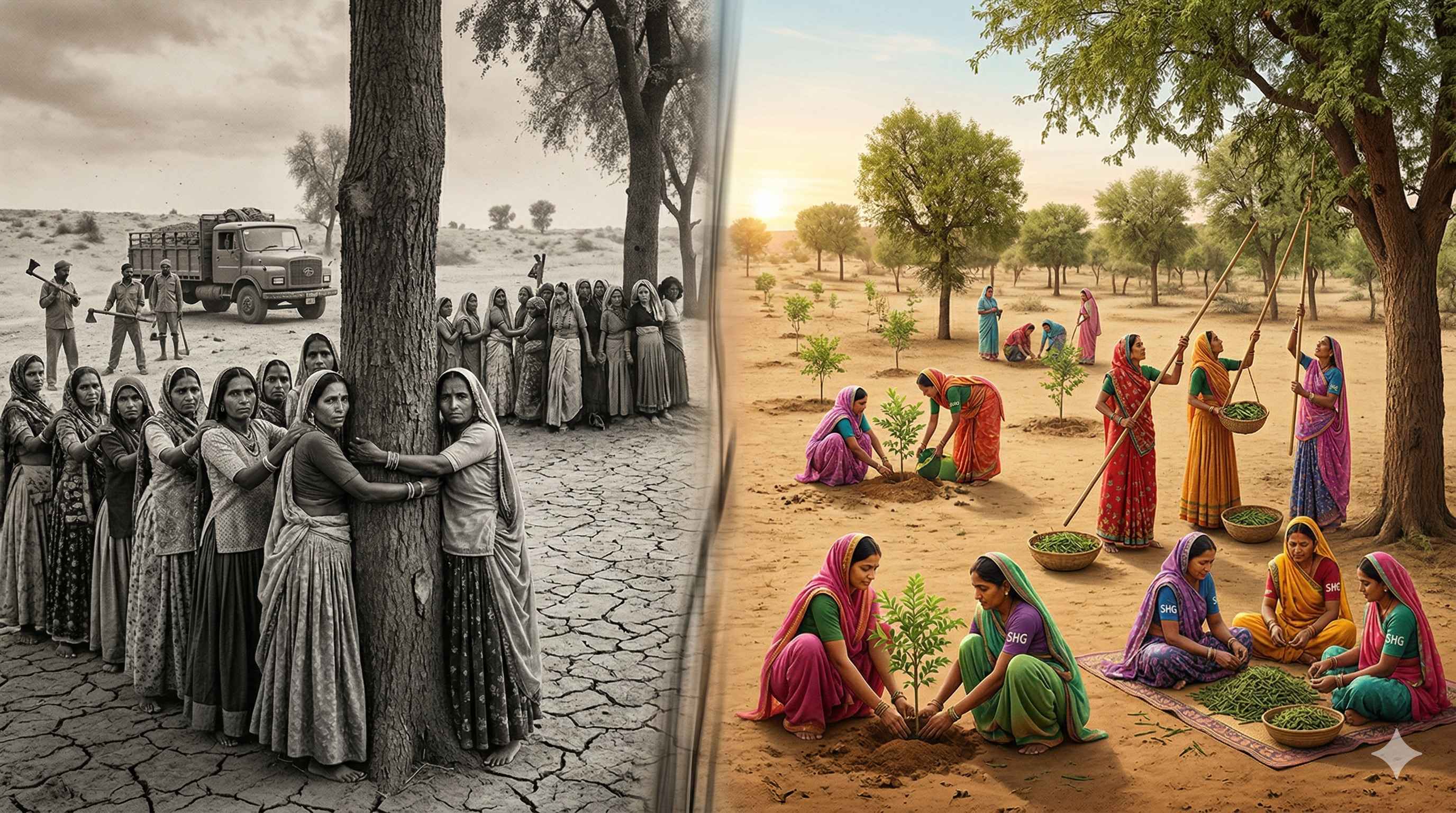
Beyond empowerment, this is where Deekri’s vision truly comes to life. It is not just about economic growth—it is about: ● Restoring dignity to traditional knowledge ● Creating identity and pride in local resources ● Giving women a platform to lead within their communities ● Turning heritage into opportunity In many ways, the story comes full circle. From protecting trees with their lives to building futures through them — the women of Rajasthan continue to show that true empowerment is deeply rooted in purpose, tradition, and resilience.
Deekri’s Role in Preserving Heritage and Shaping a Sustainable Future
In a rapidly modernizing world, many traditional practices are fading—not because they lack value, but because they are often overlooked. The Khejri tree stands as a bridge between two worlds—one rooted in centuries of wisdom, and the other looking toward a more sustainable future. For generations, communities in Rajasthan have understood how to live in balance with nature—using resources mindfully, preserving what sustains life, and passing down knowledge through practice rather than theory. This relationship with nature is not accidental; it is deeply intentional and culturally embedded. Today, this very heritage is being revived and reimagined through Deekri. By working closely with rural women through Self-Help Groups (SHGs), Deekri is ensuring that traditional knowledge does not disappear—but instead evolves into opportunity. The same ingredients that once supported survival—like Sangri from the Khejri tree—are now becoming sources of sustainable income, dignity, and growth. Through this initiative: ● Women are able to earn and support their families ● Traditional food knowledge is preserved and passed forward ● Local resources are given new value in modern markets ● Communities are building self-reliant and sustainable futures What makes this journey meaningful is that it is not about changing traditions—it is about strengthening them in today’s context. In many ways, the legacy that began with deep respect for nature—seen in stories like the Khejarli massacre—continues today in a new form. Where once people protected trees to sustain life, today communities are using those same natural resources to build livelihoods and create progress. Deekri becomes a bridge in this transformation—connecting the past to the future, and tradition to empowerment. Because true sustainability is not just about the environment—it is about people, culture, and the ability to grow without losing one’s roots.
Conclusion: Rooted in Tradition, Growing Toward the Future
The Khejri tree is more than just a tree in the deserts of Rajasthan—it is a symbol of resilience, balance, and a way of life that has sustained communities for generations. From nourishing people through its produce to protecting the land it grows on, Khejri represents a deep understanding of living in harmony with nature. The legacy of the Khejarli massacre reminds us that this connection is not just practical, but deeply emotional and cultural—where protecting nature was seen as protecting life itself. Today, as the world faces growing challenges around climate change, food security, and sustainability, the relevance of such traditional wisdom has never been greater. What once helped communities survive in the harsh conditions of the Thar Desert is now becoming a guide for building a more sustainable future. Through Deekri, this legacy continues in a meaningful way—by bringing traditional ingredients like Sangri to modern consumers, while supporting rural women through Self-Help Groups (SHGs). It is a journey that connects the past with the present, creating opportunities that are rooted in culture and driven by purpose. In the end, the story of Khejri is not just about a tree—it is about resilience, respect, and the power of traditions to shape a better tomorrow.