Introduction
India’s desert regions are often associated with harsh landscapes, scorching temperatures, and limited water. Yet, within these challenging environments thrives a remarkable collection of ingredients that have nourished desert communities for generations. These foods—grown naturally in arid ecosystems—have long been valued for their resilience, nutritional richness, and unique flavors. Today, as the global food industry searches for sustainable and climate-resilient crops, many of these traditional desert ingredients are being rediscovered. Often referred to as hidden or forgotten superfoods, these ingredients represent centuries of indigenous knowledge and culinary tradition.
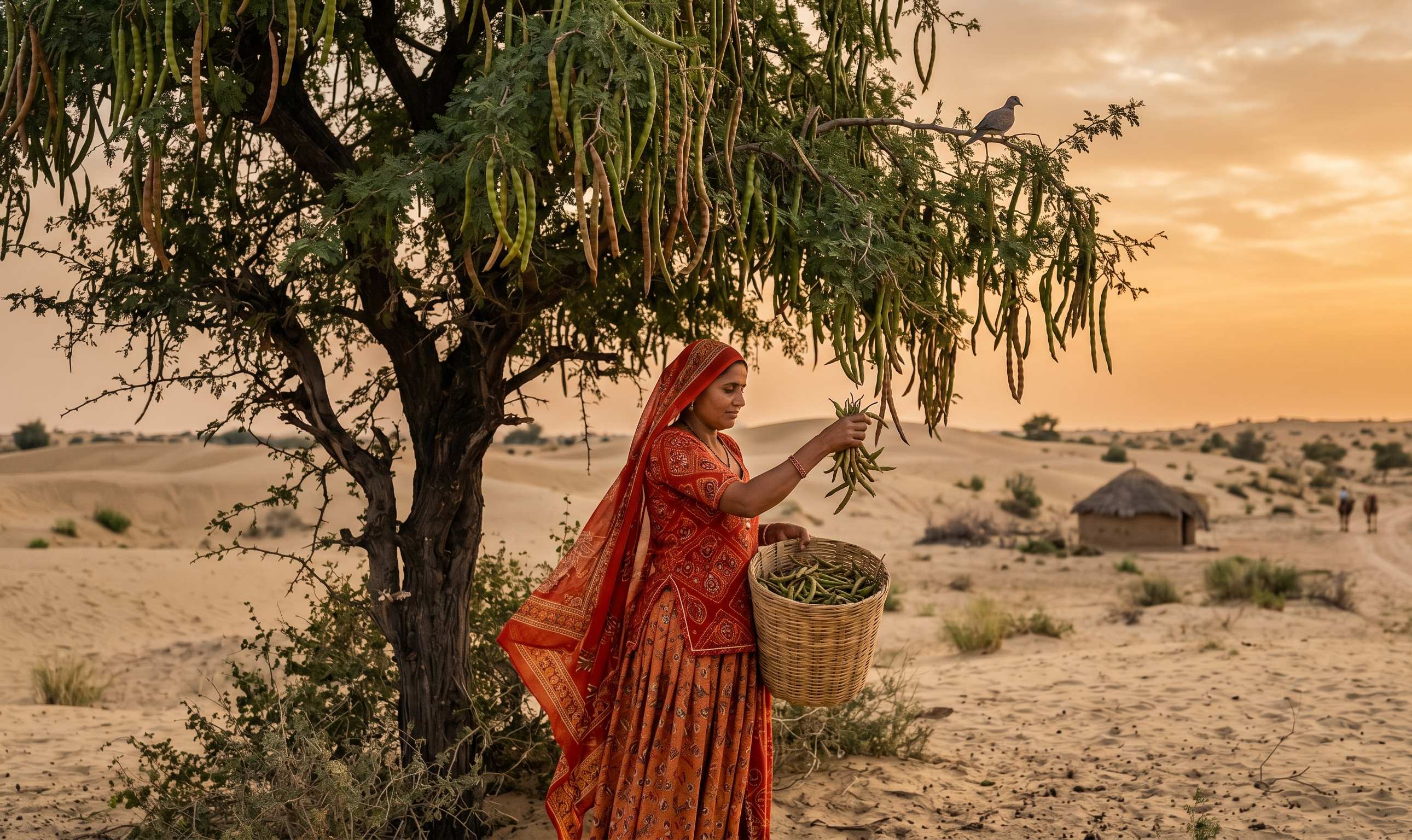
Sangri – The Desert Bean of Rajasthan
Sangri is one of the most iconic ingredients of India’s desert cuisine. These slender pods grow on the hardy khejri tree, a plant deeply connected to the ecological and cultural life of desert communities. Rich in fiber, minerals, and plant-based protein, sangri has long served as a valuable nutritional source in arid regions where food resources can be limited. Traditionally, sangri is dried and later cooked in flavorful dishes that highlight its earthy taste and satisfying texture.
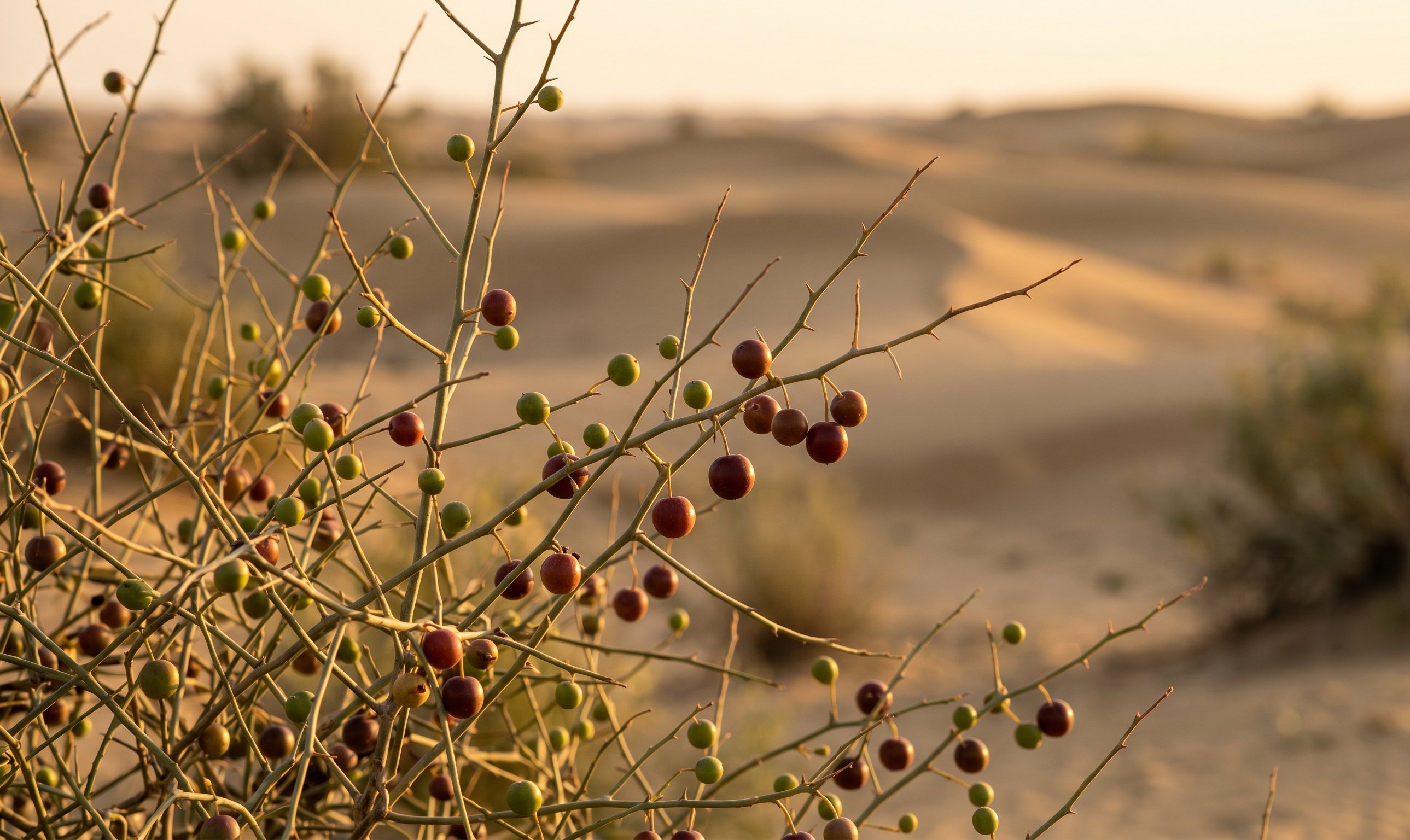
Ker – The Tangy Wild Berry
Ker is a small wild berry that grows naturally in the desert landscape. Known for its distinctive tangy flavor, it adds depth and complexity to traditional desert dishes. Beyond its culinary value, ker berries are appreciated for their antioxidant properties and natural resilience. These hardy berries thrive in extreme climates where many other fruits cannot survive. Their unique taste and nutritional profile have made them one of the defining ingredients of desert cuisine.
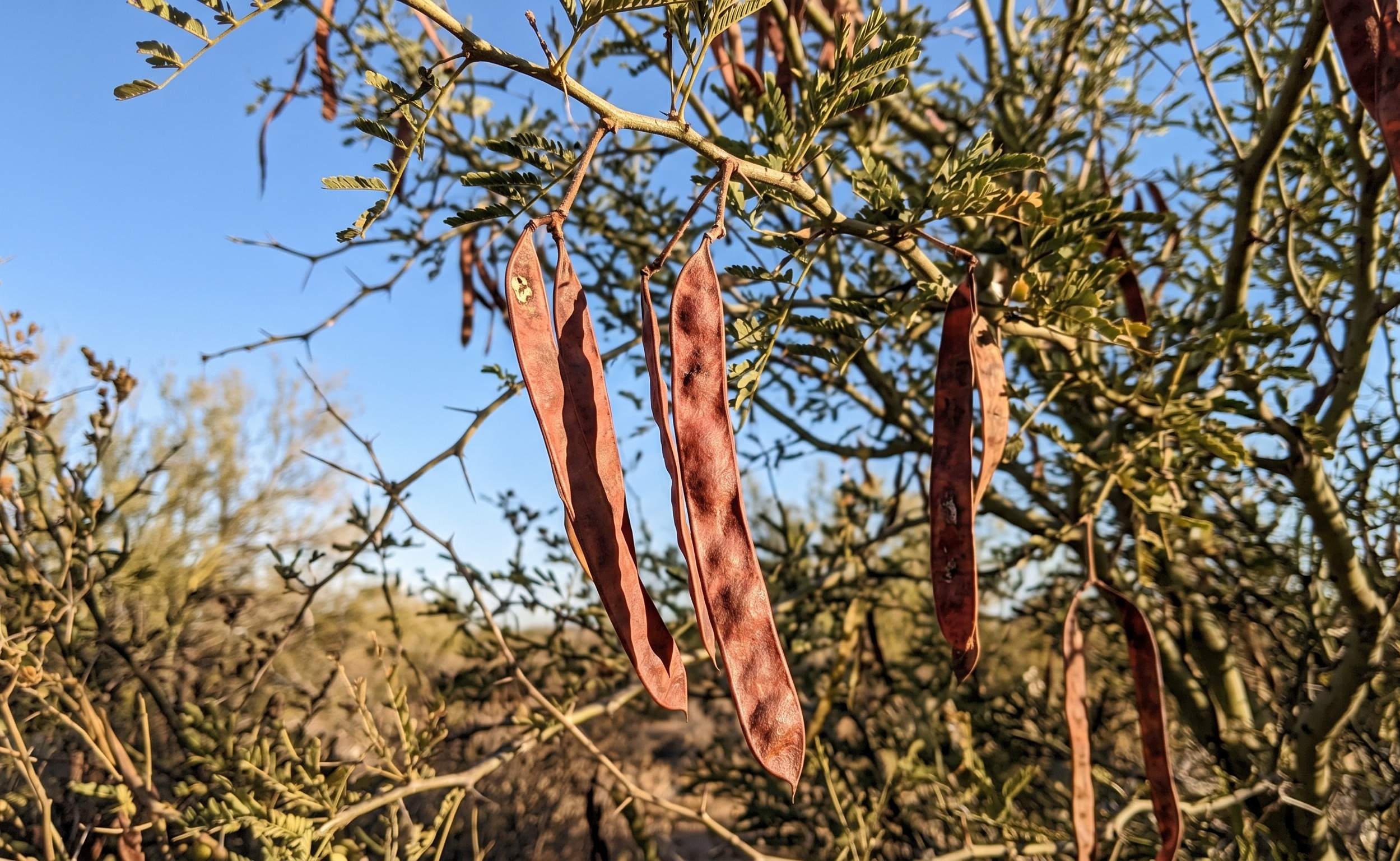
Kumat – A Traditional Desert Seed
Kumat seeds are another lesser-known but nutritionally valuable desert ingredient. These seeds have historically provided desert communities with a reliable source of nourishment. Rich in plant-based protein and dietary fiber, kumat contributes to balanced nutrition while reflecting the resourcefulness of traditional desert food systems. Although not widely known outside regional cuisine, kumat represents the diversity and richness of indigenous desert ingredients.
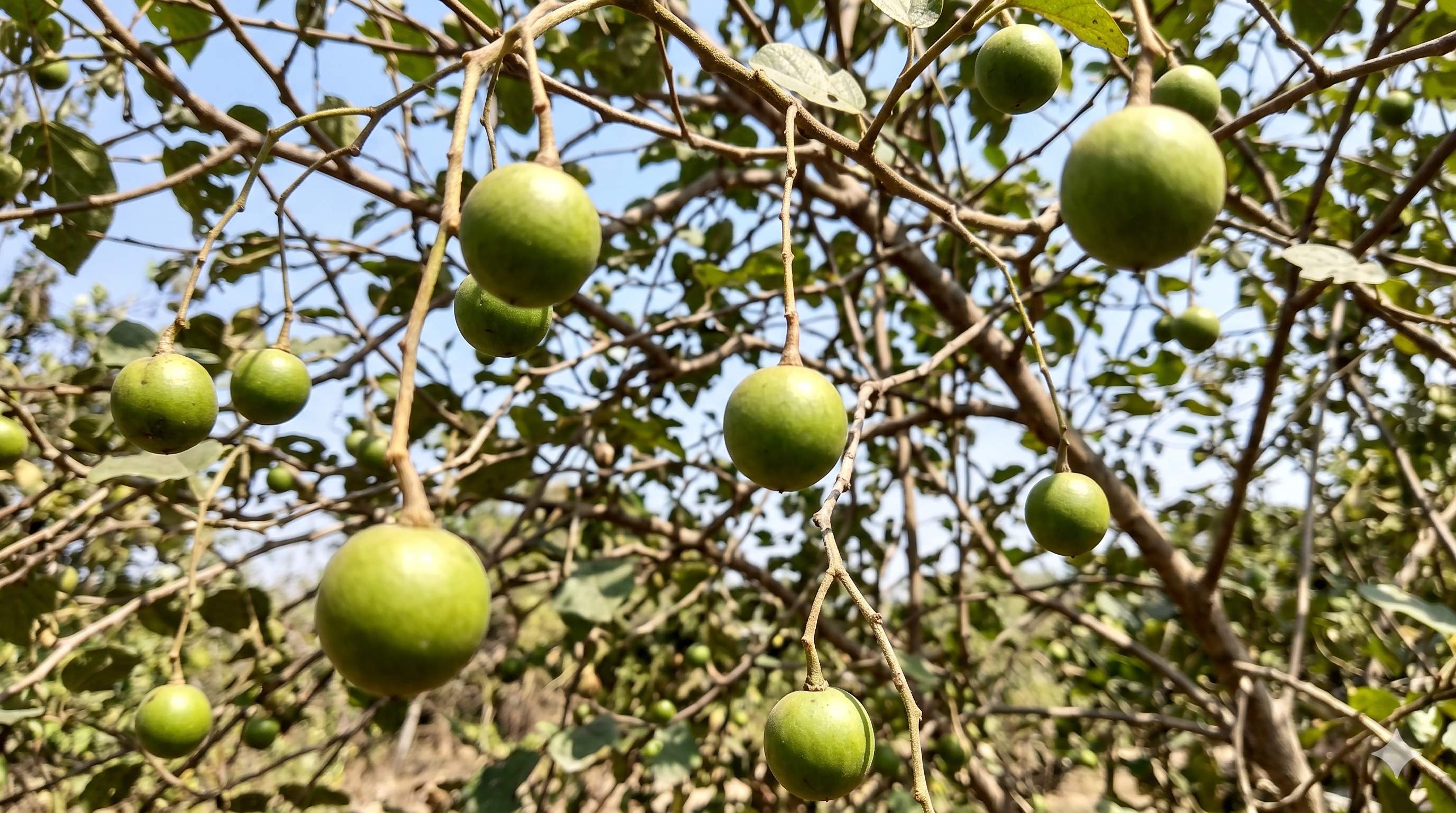
Gunda (Lasoda / Lisoda / Glue Berry) – The Desert’s Natural Pickle Fruit
Gunda, also known as Lasoda, Lisoda, or Glue Berry, is another fascinating ingredient found in India’s arid regions. This fruit is widely known for its sticky pulp and distinctive texture, which makes it particularly suitable for traditional pickles. For generations, desert households have preserved gunda to enjoy its flavor throughout the year. In addition to its culinary uses, gunda contains beneficial nutrients and has been valued in traditional diets for its wholesome qualities.
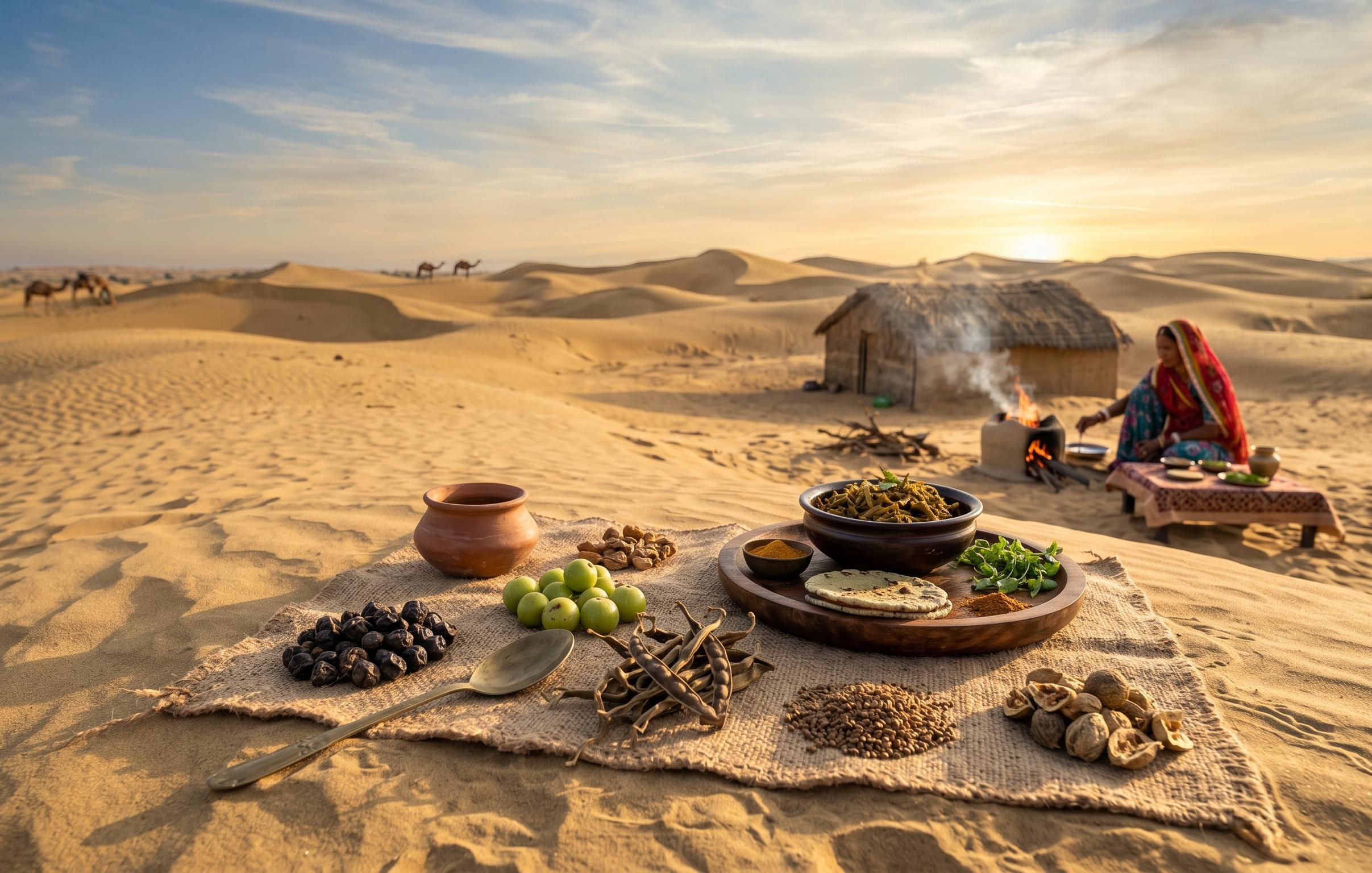
Beyond the Known: Hidden Ingredients of the Desert
While ingredients like sangri, ker, kumat, and gunda form the foundation of our current offerings at Deekri, the desert holds many more lesser-known treasures that have quietly supported local communities for generations. Among these is kachri, a wild desert melon valued for its tangy flavor and natural tenderizing properties, often used in traditional cooking. Another rare ingredient is phog, whose delicate flowers are harvested seasonally and used in regional dishes, reflecting the deep connection between desert life and seasonal rhythms. Beyond these, the arid landscapes of India are home to several other indigenous plants such as kumat seeds, gwar pods, and wild desert herbs that have long been part of traditional diets but remain largely unexplored in modern food systems. These ingredients represent a vast, untapped reservoir of nutrition, flavor, and cultural knowledge. As interest in indigenous and climate-resilient foods continues to grow, they offer an opportunity to rediscover and reintroduce the richness of desert cuisine to a wider audience. At Deekri, this journey is just beginning. While our current products focus on a select group of core ingredients, our vision extends toward gradually bringing more of these hidden desert foods into modern kitchens—reviving traditions that deserve to be experienced again.
Why These Desert Foods Matter Today
In an era when global agriculture faces increasing pressure from climate change, water scarcity, and soil degradation, crops that thrive in extreme conditions are becoming increasingly valuable. Desert ingredients such as sangri, ker, and kachri demonstrate how nature has already developed resilient food systems capable of surviving harsh environments. Their ability to grow with minimal water and adapt to difficult conditions makes them important examples of climate-smart foods.
The Deekri Vision
At Deekri, we believe the extraordinary ingredients of the Indian desert deserve global recognition—not just as traditional foods, but as meaningful solutions for the future of nutrition. Our products are rooted in the authentic flavors of the desert, built around key ingredients such as Sangri, Ker, Kumat, and Gunda (also known as Lasoda or Glue Berry). These ingredients form the heart of traditional dishes like Panchkuta, which we bring to modern kitchens through convenient formats such as our ready-to-cook offerings. By transforming heritage recipes into products that can be prepared in just minutes, Deekri makes it possible for today’s fast-paced lifestyles to stay connected with traditional food wisdom. At the same time, our journey does not stop here. We aim to continue exploring and introducing more rare and indigenous desert ingredients—reviving forgotten foods and bringing them back into everyday diets. Through this, Deekri seeks to preserve the rich culinary heritage of Rajasthan while adapting it for a global audience. By working closely with rural communities and supporting traditional knowledge systems, we are not only creating products—we are building a bridge between the past and the future of food.