Introduction: Not Lost, Just Left Behind
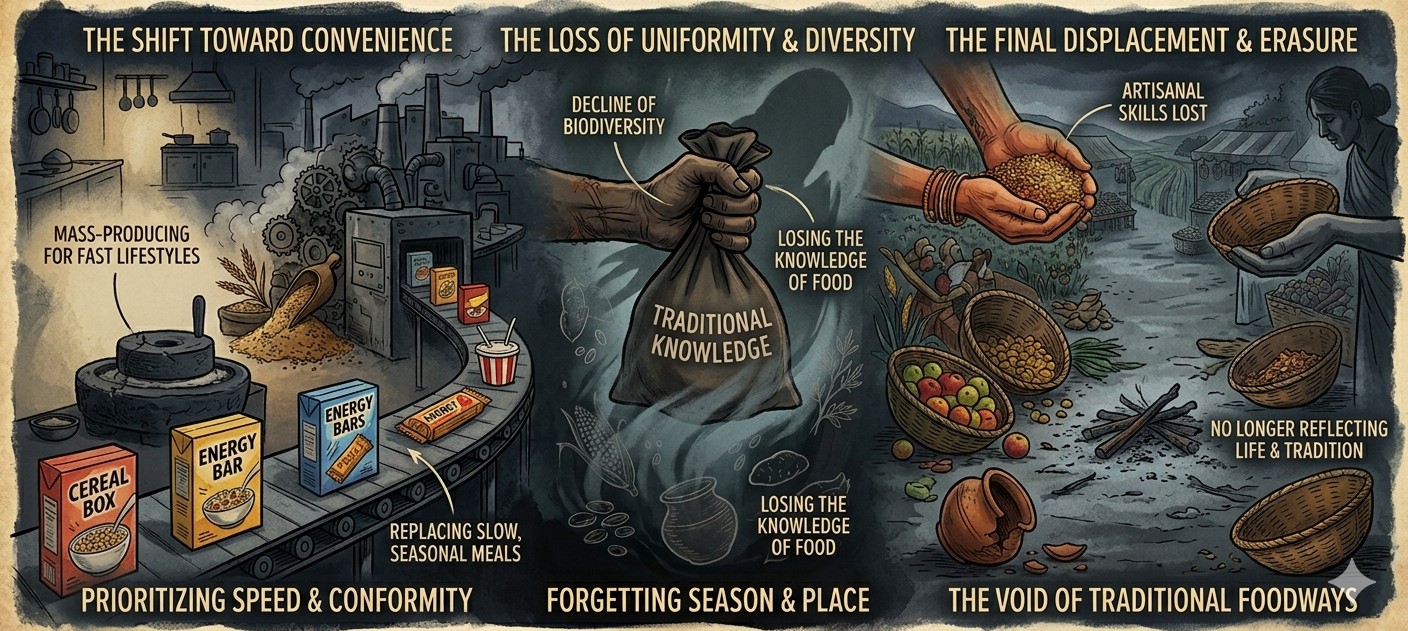
Traditional foods did not disappear overnight. They were not replaced because they lacked value, nutrition, or relevance. Instead, they were gradually set aside as the world around them changed. As cities expanded, lifestyles became faster, and food systems shifted toward mass production, convenience began to take priority. Meals that once reflected time, season, and place were replaced by options that were quicker, more uniform, and widely available. In this process, something important was left behind—not just ingredients, but entire ways of understanding food.
The Shift Toward Convenience
Modern food systems are built for scale. They prioritize: ● speed ● consistency ● long shelf life ● easy availability While these changes brought undeniable convenience, they also created distance between people and their food. Traditional ingredients often did not fit into this system. They were: ● seasonal ● region-specific ● dependent on local knowledge ● sometimes time-intensive to prepare As a result, they slowly disappeared from everyday diets—not because they were less valuable, but because they were less adaptable to industrial systems.
When Food Lost Its Context
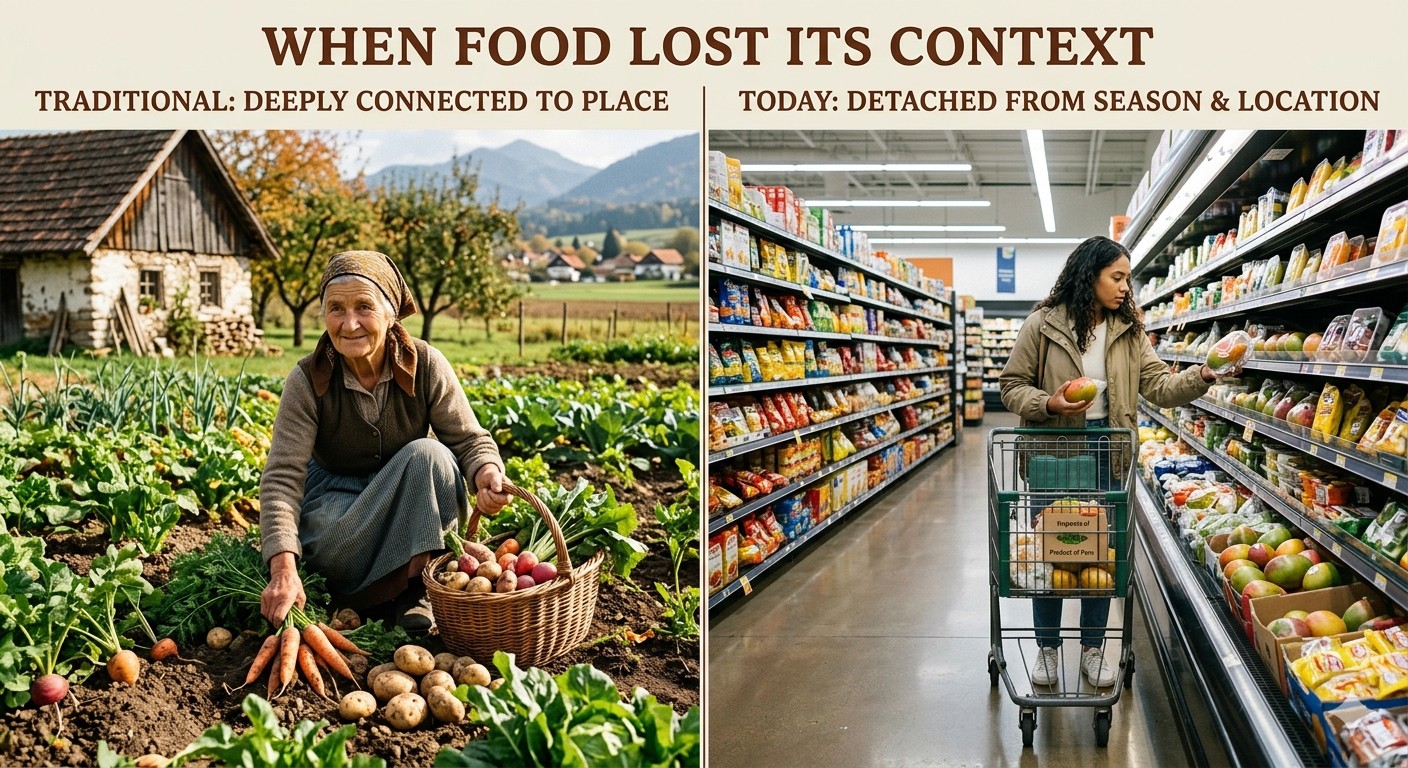
In traditional systems, food was deeply connected to place. People ate what grew around them. They understood when it was available, how to prepare it, and how to preserve it. But as food began to move across regions and seasons became less relevant, this connection weakened. Today, it is possible to eat almost anything, at any time, regardless of where it comes from. While this creates variety, it also removes the context that once shaped how and why food was consumed.
The Hidden Cost of Modern Eating
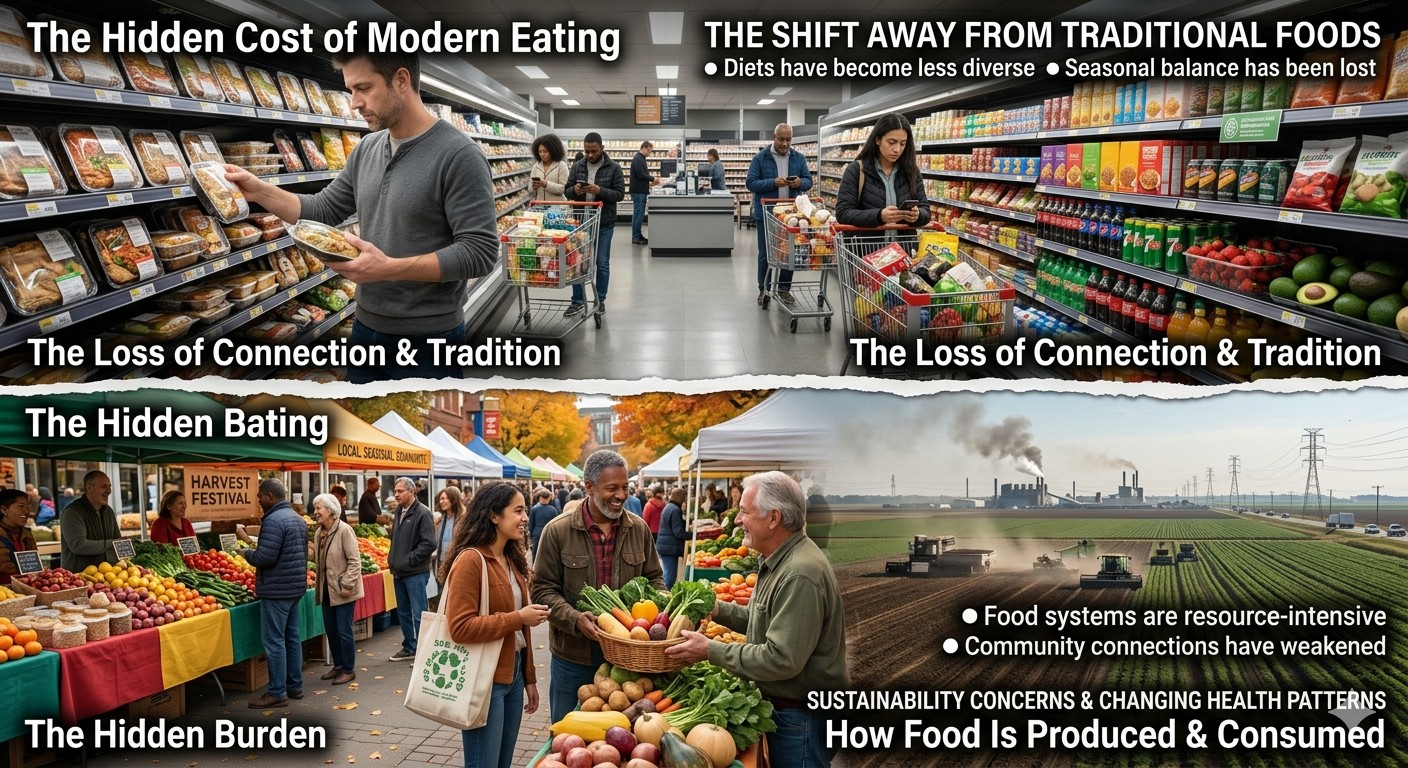
The shift away from traditional foods has had subtle but important consequences. ● Diets have become less diverse ● Seasonal balance has been lost ● Food systems have become more resource-intensive ● The connection between communities and their food has weakened At the same time, many of the challenges we face today—such as sustainability concerns and changing health patterns—are linked to how food is produced and consumed.
Why Traditional Foods Are Returning
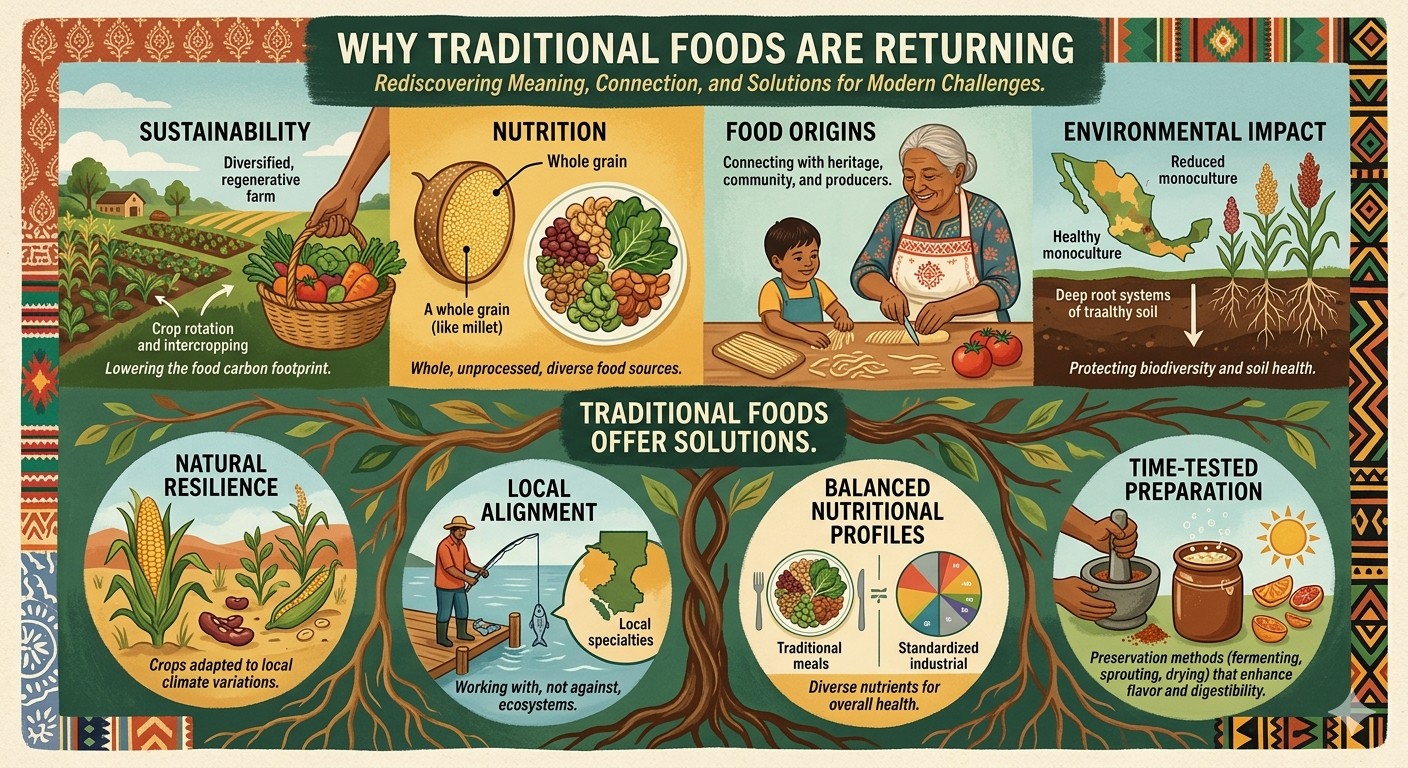
In recent years, there has been a noticeable shift. People are beginning to look more closely at what they eat—not just for taste, but for meaning. There is growing awareness around: ● sustainability ● nutrition ● food origins ● environmental impact In this context, traditional foods are being rediscovered. Not as a trend, but as a response to modern challenges. They offer: ● natural resilience ● alignment with local environments ● balanced nutritional profiles ● time-tested methods of preparation
Desert Foods as an Example
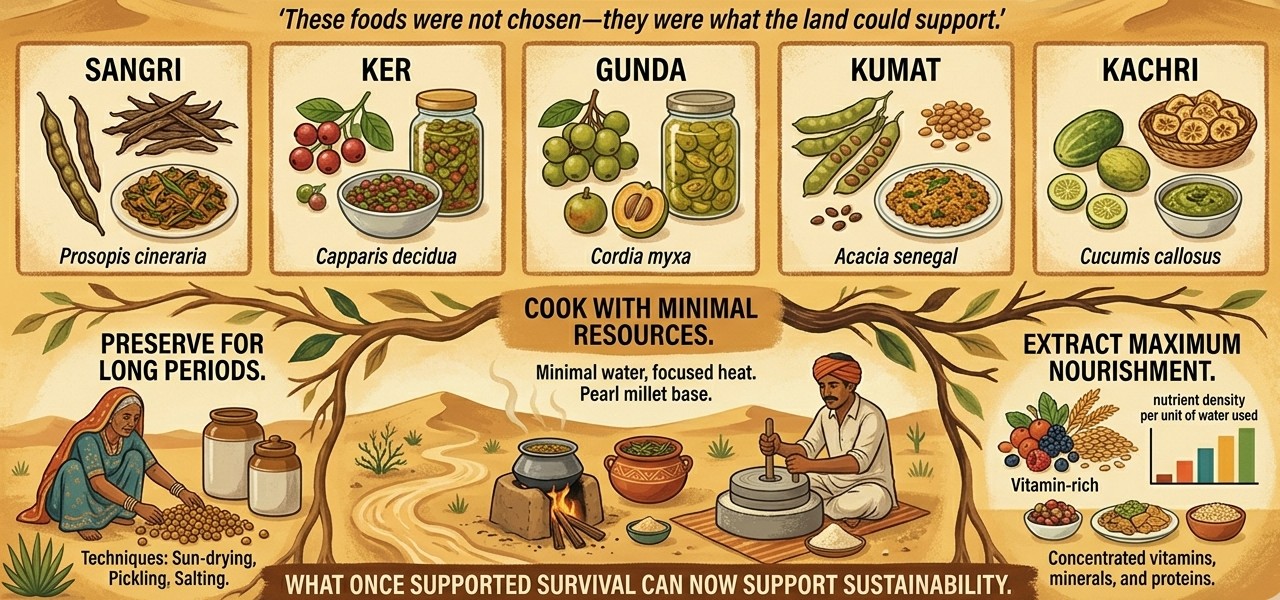
In arid regions, traditional foods were shaped by necessity. Ingredients like sangri, ker, gunda, kumat, and kachri were not chosen—they were what the land could support. Over time, communities developed ways to: ● preserve them for long periods ● cook them with minimal resources ● extract maximum nourishment These foods may seem unfamiliar today, but they are highly relevant in a world facing water scarcity and environmental stress. What once supported survival can now support sustainability.
The Role of Deekri
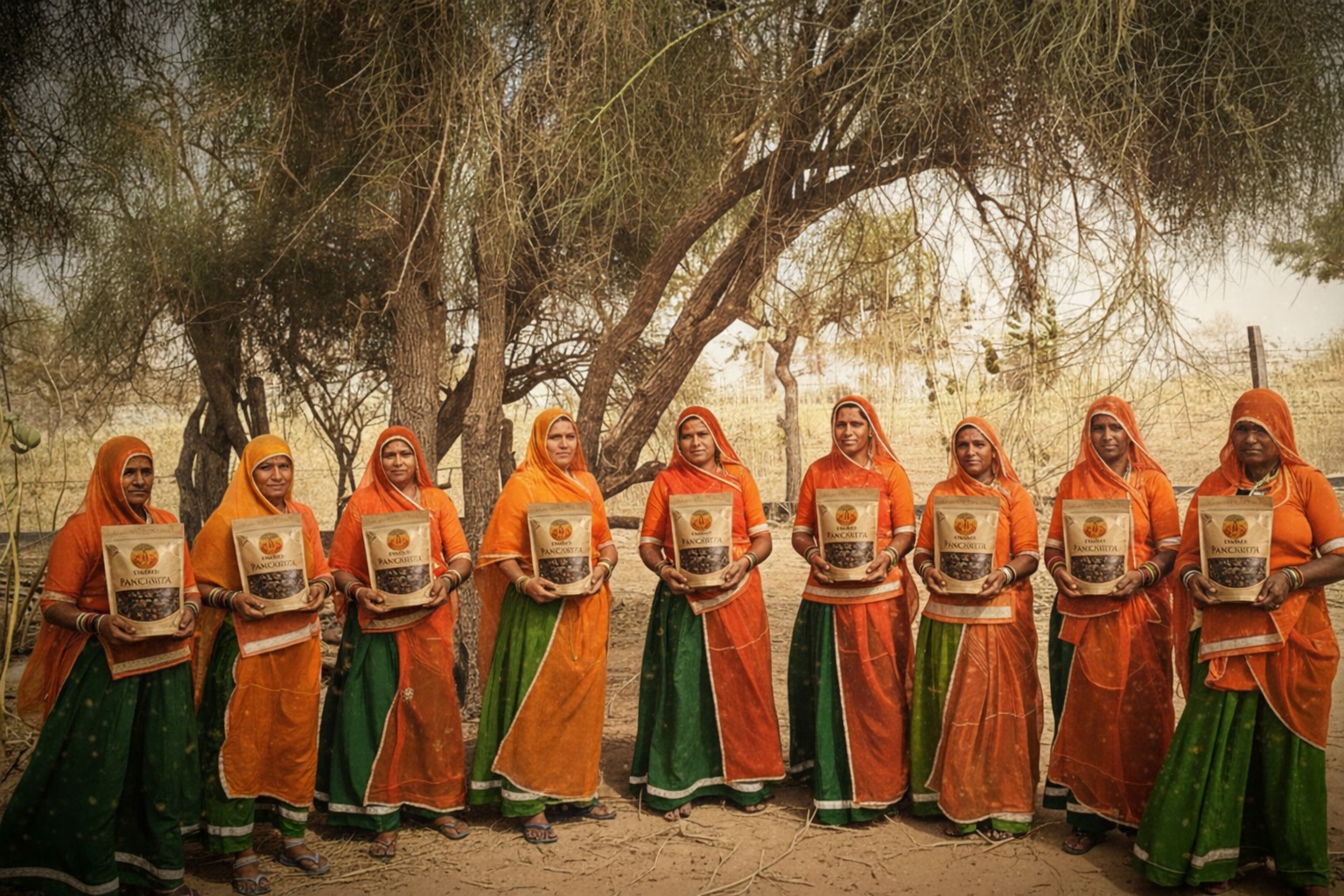
At Deekri, the focus is on reconnecting people with ingredients that have long existed, but are no longer part of everyday diets. By bringing traditional desert foods into modern formats, we aim to make them easier to use while preserving their original essence. This is not about changing the food itself, but about creating a bridge between past knowledge and present lifestyles.
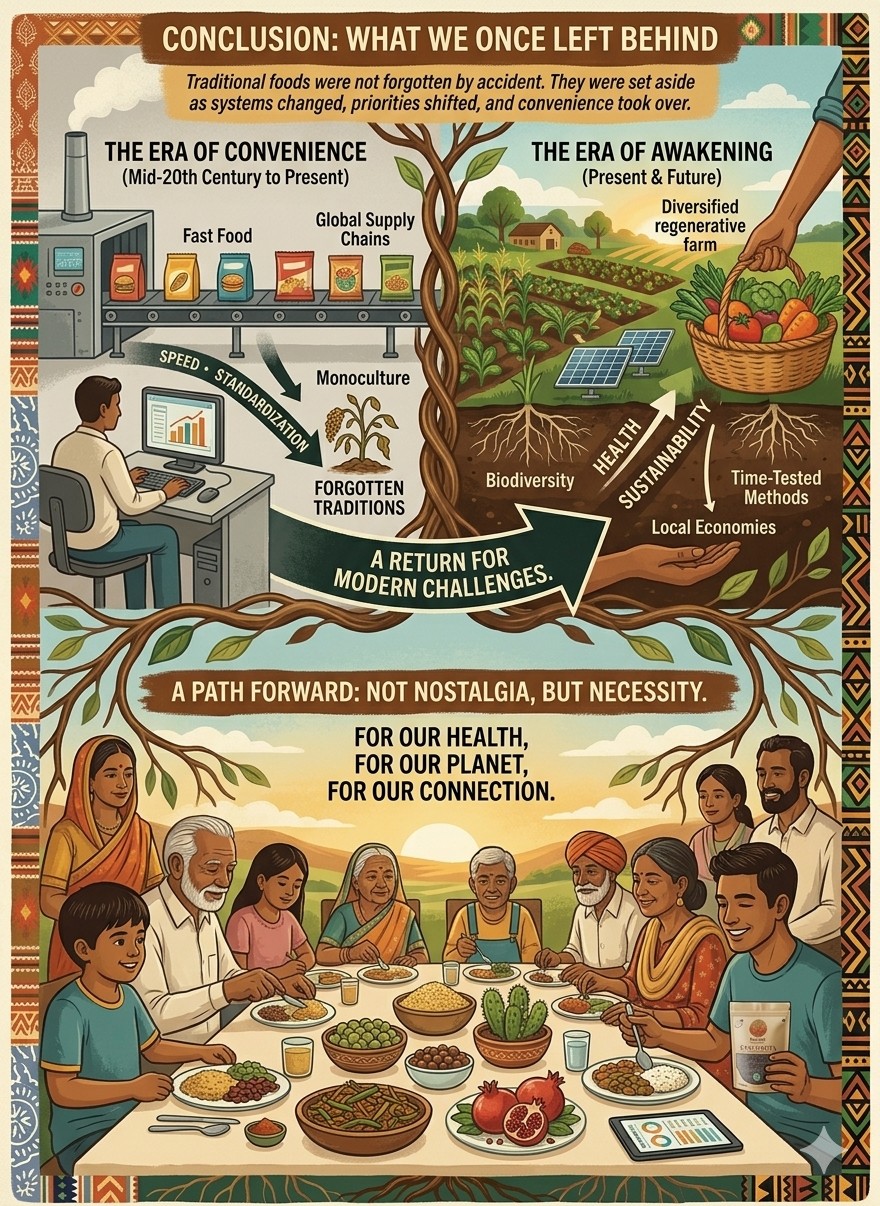
Conclusion: What We Once Left Behind
Traditional foods were not forgotten by accident. They were set aside as systems changed, priorities shifted, and convenience took over. Today, as we look for better ways to eat—ways that are healthier, more sustainable, and more connected—we find ourselves returning to what was once left behind. Not out of nostalgia, but out of necessity.