Myth 1: Traditional Foods Are Too Inconvenient to Use
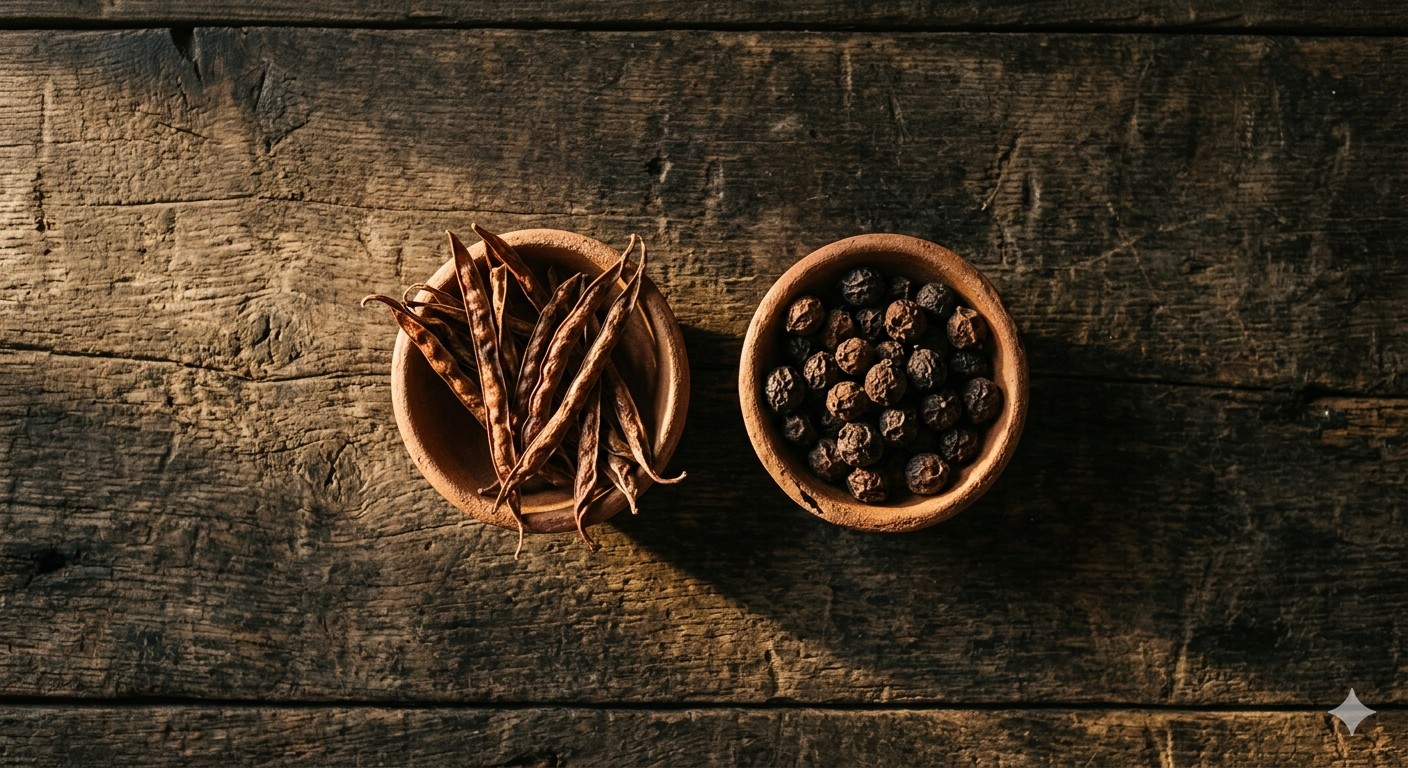
This is probably the most common objection — and the most ironic. Ingredients like ker, sangri, and moth beans weren't created for leisure kitchens with reliable electricity and refrigeration. They were designed for desert survival. For communities living in extreme heat, with limited water and unpredictable supply chains, food had to be storable, portable, and quick to prepare. Dried sangri rehydrates in under 30 minutes. Moth beans cook faster than most lentils. Ker keeps for months in a dry container without any special storage. Compare that to the imported superfoods sitting in your fridge that go bad in four days. The inconvenience was never in the ingredient. It was in the unfamiliarity — and that's something that goes away the first time you cook with them.
Myth 2: If It Were Truly Nutritious, Mainstream Brands Would Be Selling It
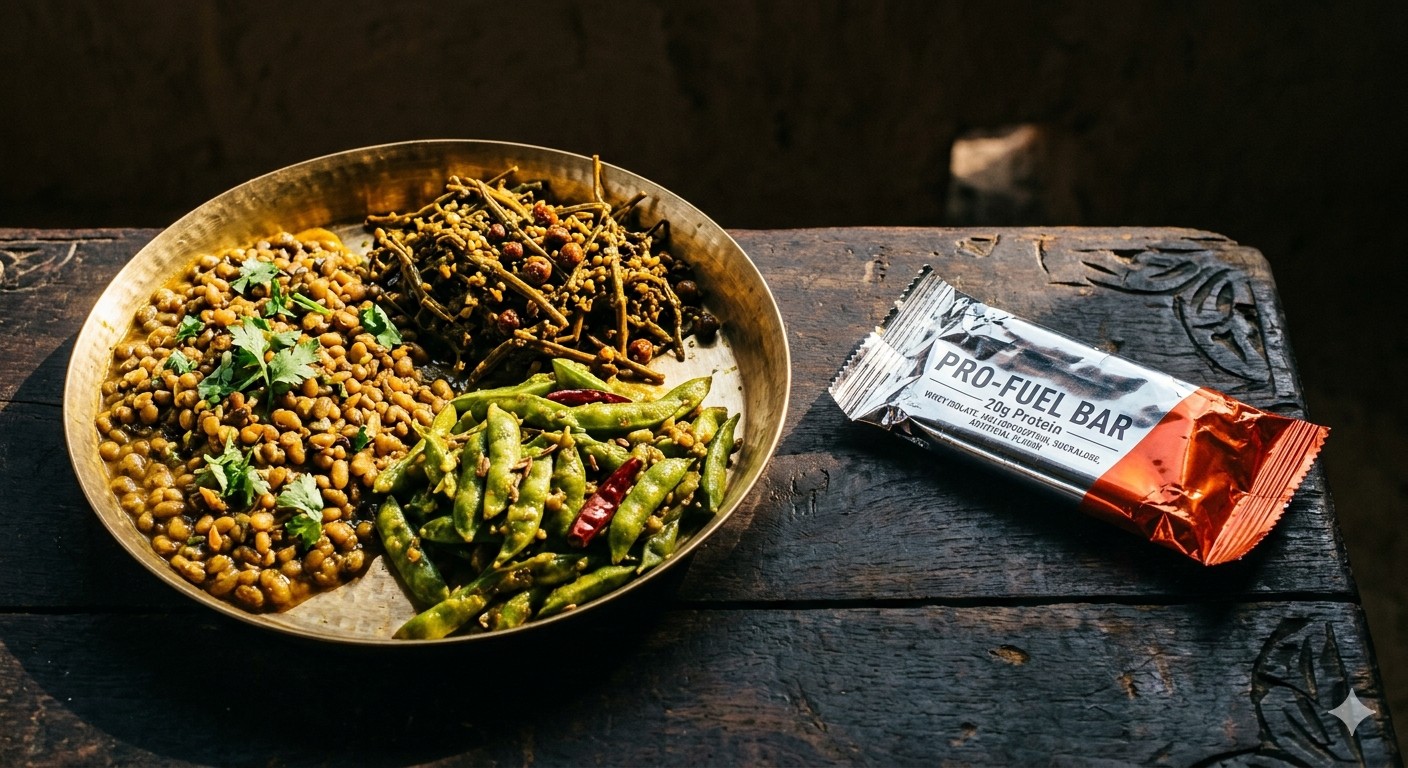
This one sounds logical until you think about how the food industry actually works. Large food companies don't go looking for the most nutritious ingredients — they go looking for ingredients that are cheap to source at scale, have long shelf lives, photograph well, and can be marketed with a compelling story. Traditional desert ingredients don't fit neatly into that model. They come from small communities, require specific harvesting knowledge, and don't grow on industrial farms. That's not a nutritional failing — that's a supply chain mismatch. The Khejri tree's pods, known as sangri, contain significant amounts of protein, calcium, and dietary fiber. Moth beans have a protein content that rivals many packaged protein supplements. Ker berries are rich in antioxidants and have been used in Ayurvedic practice for generations. The absence of these ingredients from mainstream shelves tells you about market economics, not about nutritional value.
Myth 3: These Ingredients Belong in Rural Kitchens, Not Urban Ones
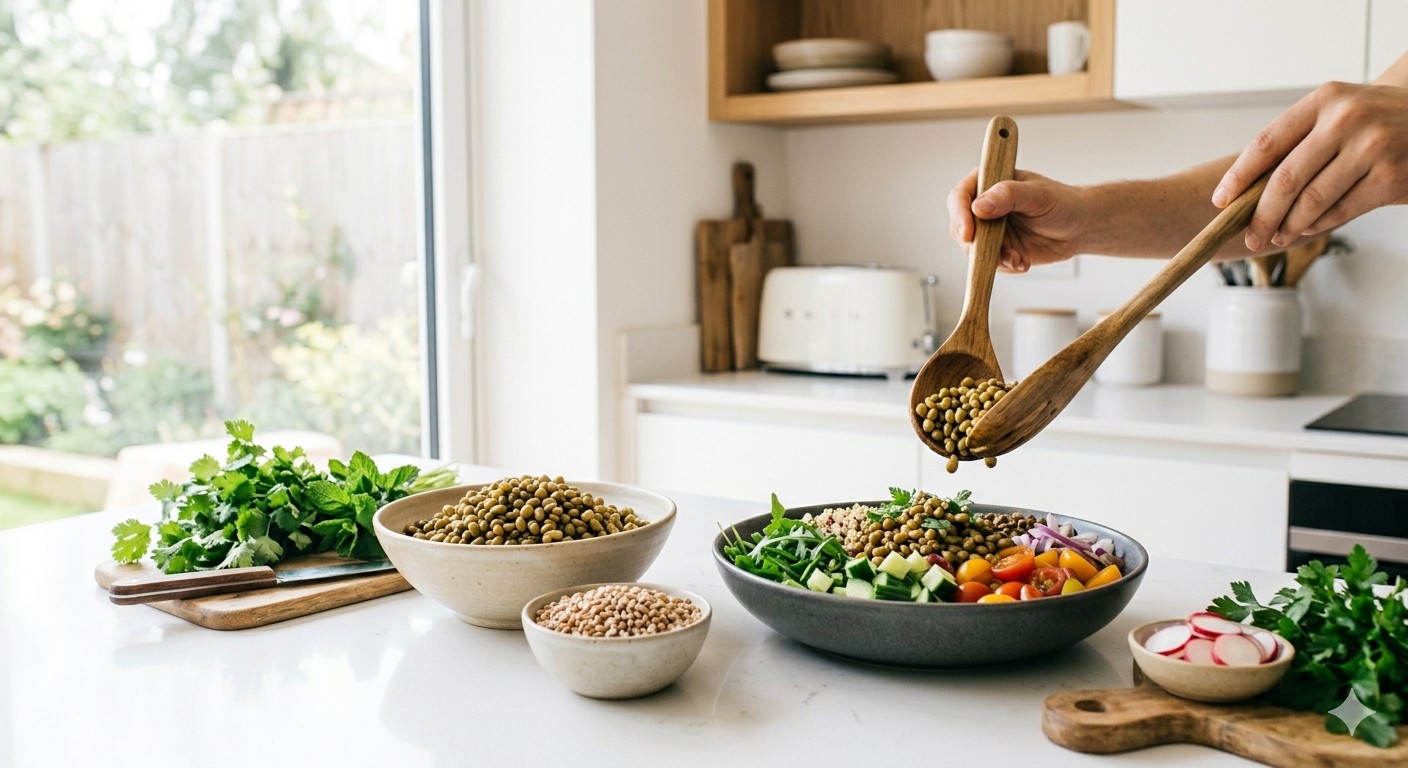
There's a quiet class bias buried in this assumption — the idea that certain foods are "for" certain kinds of people. Traditional doesn't mean backward. Regional doesn't mean limited. These ingredients are extraordinarily versatile once you get past the unfamiliarity. Sangri can be tossed into a warm grain bowl the same way you'd use sun-dried tomatoes. Moth beans work beautifully in a high-protein salad or blended into a flour for rotis with a nuttier flavor. Ker adds a sharp, briny depth to stir-fries and rice dishes that's genuinely hard to replicate with anything else. The cuisine of Rajasthan developed in one of the most demanding environments on earth — the ingredients it relies on are not simple or unsophisticated. They are precise, resilient, and layered with flavor. They just need a modern kitchen willing to give them a chance.
Myth 4: Real Superfoods Have to Come From Somewhere Else
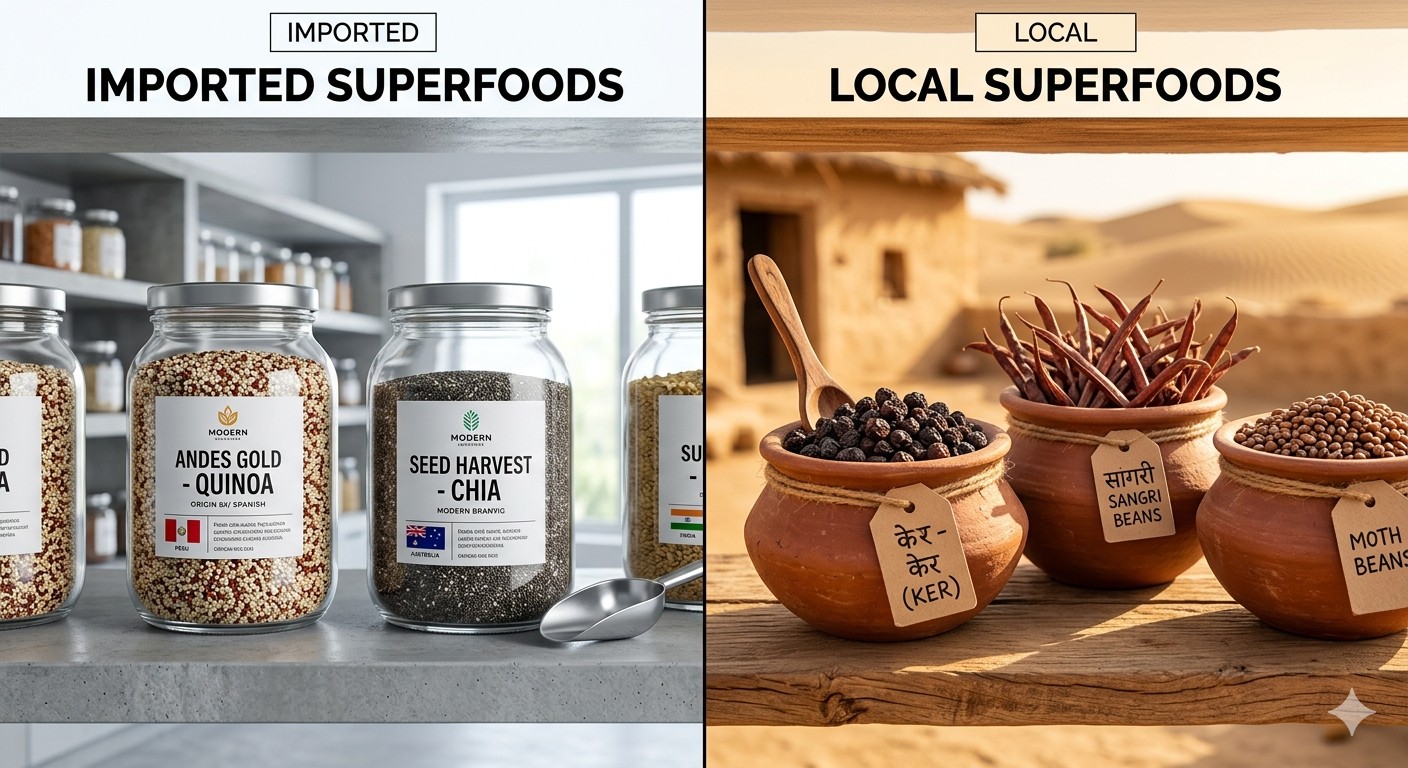
Walk into any upscale grocery store in India today and you'll find quinoa from Peru, chia seeds from Mexico, goji berries from China, and acai powder from Brazil — all marketed as nutritional breakthroughs, all priced at a significant premium, and all requiring thousands of kilometers of shipping to reach your shelf. Meanwhile, in the Thar Desert, ingredients with comparable or superior nutritional profiles have been growing for centuries — drought-resistant, pesticide-free, and harvested by local communities using traditional methods that leave almost no ecological footprint. This isn't nostalgia. It's a straightforward nutritional and environmental argument. When you choose a local desert ingredient over an imported one, you're not making a compromise. You're making the smarter choice — for your body, for the planet, and for the communities who grow it.
Myth 5: One Purchase Doesn't Make a Real Difference
This is the myth that troubles us the most — because it's the one that keeps well-meaning people passive. The truth is that every single Deekri product is made by women from self-help groups across rural Rajasthan. These are women who have gained economic independence, learned new skills, and built genuine livelihoods through this work. When you buy a packet of Deekri sangri or ker, you are directly funding that. Not indirectly, not in some abstract corporate-responsibility sense — directly. The money reaches the women who harvested, cleaned, and packed that product. And beyond the economics, every purchase sends a signal that there is a market for this. That traditional knowledge has value. That desert communities deserve to be part of the modern food economy. Individual purchases, collectively, are what make that market real.
You Don't Need to Overhaul Your Entire Kitchen
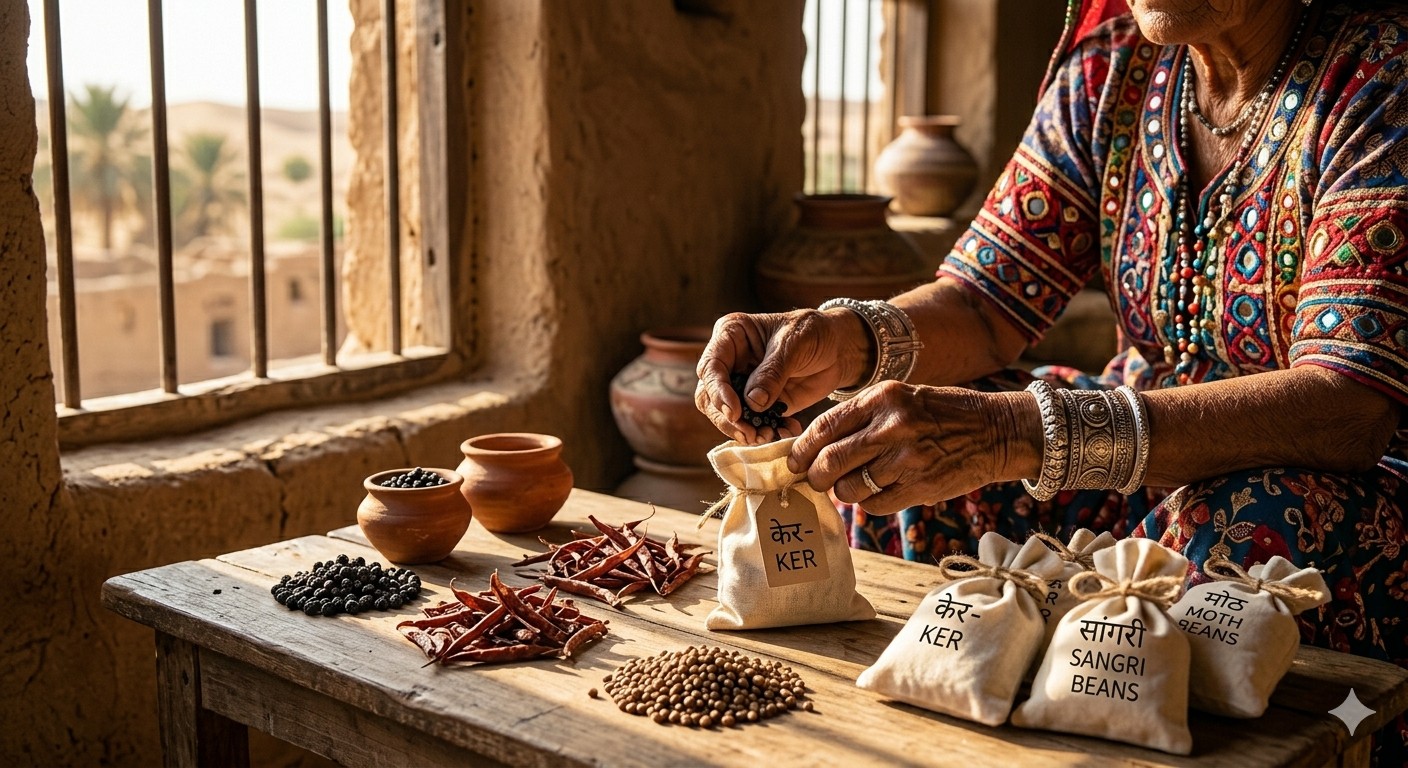
Nobody is asking you to throw out everything in your pantry and start over. The shift toward traditional, climate-smart, nutritionally dense food doesn't have to be dramatic. It can start with one ingredient. Cook sangri once — maybe in a simple sabzi, maybe tossed into something you already make. Try moth beans in place of your usual dal for a week. Add ker to a dish that needs a little sharpness. See what happens. What most people find is that the food is genuinely good. That it fits naturally into how they already cook. And that knowing where it comes from — who grew it, what land it came from, what it took to bring it to your kitchen — makes it taste even better. Traditional foods didn't disappear because they stopped being valuable. They disappeared because the systems that supported them were disrupted. Deekri exists to rebuild those systems — one ingredient, one meal, one kitchen at a time.